Why Traditional Marketing Plans Fail in the Age of AI
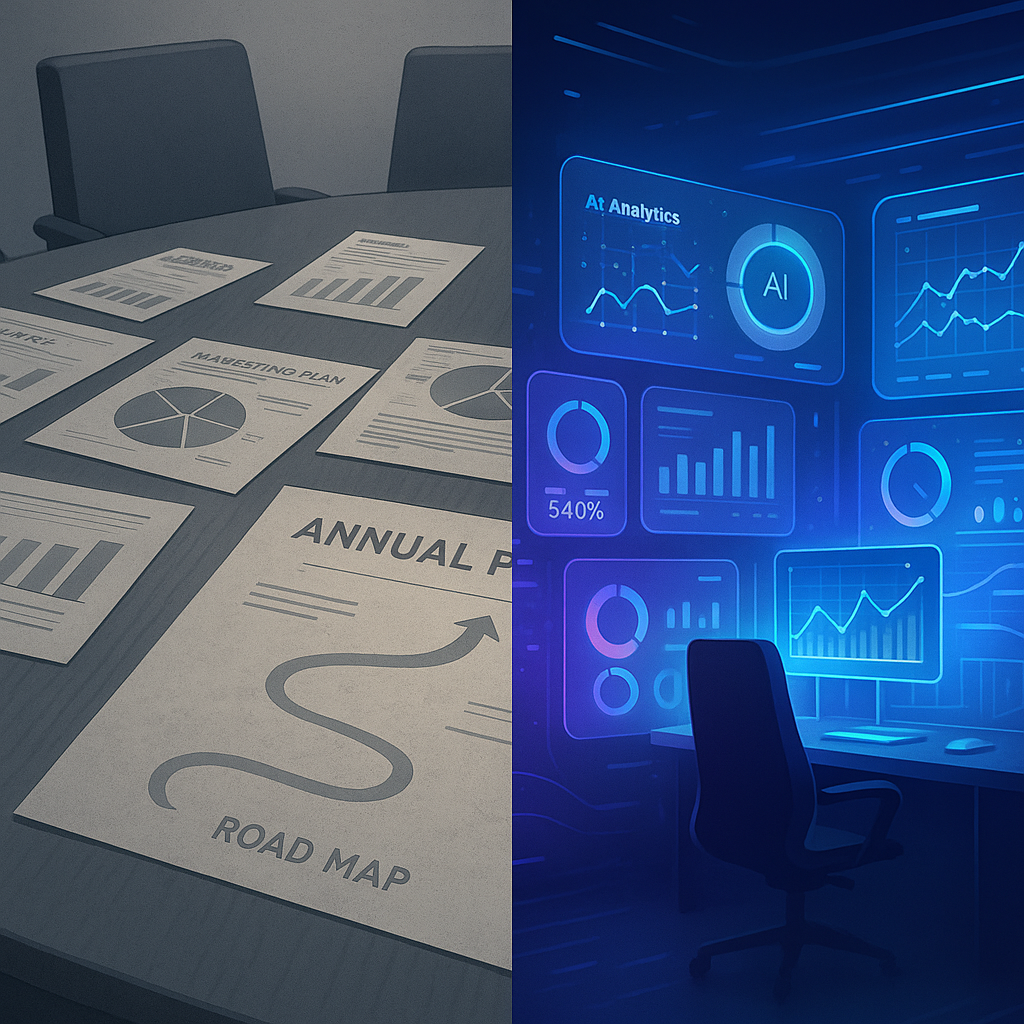
Marketing used to move at the speed of a quarterly meeting. A team would gather in a boardroom, shuffle through printed slides, debate fonts and taglines, approve a budget, and roll out a 12-month plan with the confidence of someone setting a cruise ship on autopilot. Today? That ship would sink before it left the harbor. The age of AI has changed everything - how people search, how they buy, how they trust, and how they ignore. Yet many companies are still clinging to traditional marketing plans like they’re laminated roadmaps in a world running on real-time GPS. Here’s the hard truth: static plans break in dynamic environments. And AI has made marketing the most dynamic environment in business.
The World Moved. Most Marketing Plans Didn’t.
Traditional marketing plans rely on predictability. They assume:
- Audience behavior changes slowly
- Campaign timelines can be forecast months ahead
- Channels remain stable
- Competition behaves in familiar ways
Sounds reasonable, right? Except none of that is true anymore. AI-powered tools generate content in seconds. Algorithms shift weekly. Consumer expectations evolve almost overnight. One viral moment can reshape an entire brand narrative. Planning a year-long campaign without accounting for real-time shifts is like packing for a year of weather based on last Monday’s forecast. It’s outdated before it launches.
AI Accelerated Everything - Especially Consumer Expectations
Customers now expect:
- Instant answers
- Hyper-personalized experiences
- Seamless interactions across platforms
- Content that feels tailored, not templated
AI tools deliver that. Traditional marketing plans? Not so much. When a brand spends three months producing a campaign while competitors generate adaptive messaging in real time, guess who wins attention? Exactly. The old approach treats marketing like a scheduled broadcast. The new reality treats it like a conversation that never stops. And conversations require listening.
Static Strategy vs Adaptive Intelligence
If traditional marketing is a printed map, AI-driven marketing is live navigation. One is fixed. The other recalculates instantly. That’s the difference. Modern marketing systems powered by AI can:
- Analyze behavior patterns in real time
- Adjust ad targeting automatically
- Optimize headlines based on performance data
- Predict trends before they fully surface
A static marketing plan, on the other hand, waits for quarterly reviews. By the time adjustments happen, the opportunity window often closes.
Data Is No Longer Optional
Traditional strategies often lean heavily on creative instinct and historical data. And yes, creativity still matters. Deeply. But AI has introduced a new standard: decision-making fueled by live data streams. Brands that fail today rarely lack ideas. They lack insight. When marketing decisions are based on assumptions instead of active intelligence, inefficiency creeps in. Budget waste follows. Performance dips. It’s not dramatic. It’s gradual. Which makes it dangerous.
The Illusion of Control
There’s something comforting about a detailed annual plan. It feels organized. Disciplined. Safe. But here’s a hot take: that comfort is often an illusion. In the AI era, control doesn’t come from rigidity. It comes from responsiveness. Companies that cling to fixed campaigns often resist change because they’ve already invested time and money. They double down instead of pivoting. It’s the business version of refusing to reroute even when traffic is clearly backed up. Why? Because admitting the route is wrong feels like failure. In reality, adapting quickly is the new form of strategic strength.
Content Saturation Changed the Game
AI has dramatically increased content production. Blogs. Ads. Emails. Social posts. Videos. All generated faster than ever. That creates noise. A lot of noise. Traditional marketing plans assume scarcity. AI created abundance. And when everything is loud, only relevance cuts through. That requires continuous optimization - not one-time messaging decisions locked in at the start of the year.
SEO Is Now a Living System
Search engine optimization used to revolve around keyword research and consistent publishing. Now? AI influences search results, snippets, voice queries, and intent modeling. Search engines prioritize:
- User experience signals
- Topical authority
- Engagement patterns
- Contextual relevance
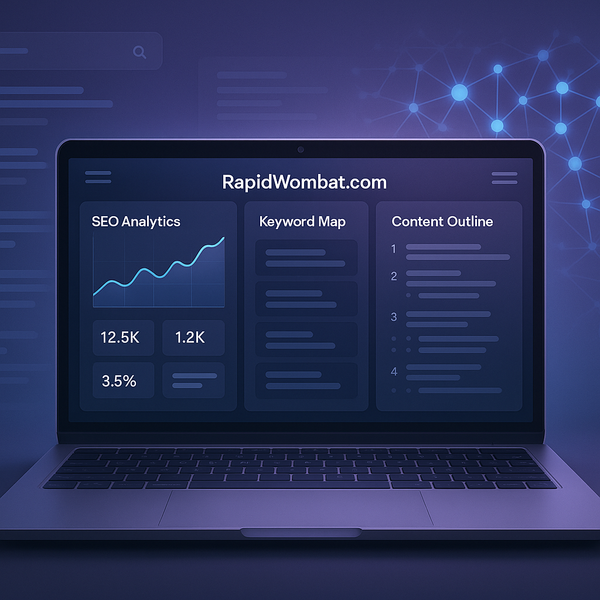
An outdated SEO plan written once and left untouched won’t survive algorithm evolution. Brands need ongoing analysis and recalibration. That’s why services like rapidwombat.com focus on adaptive strategies rather than rigid frameworks. Because modern marketing requires flexibility built into the system itself.
Budget Allocation No Longer Works the Same Way
Traditional marketing budgets divide spending by channel at the beginning of the year. Digital ads get X. Content gets Y. Events get Z. But AI-driven analytics reveal performance shifts in real time. Maybe one channel suddenly outperforms expectations. Maybe another declines sharply. If budget allocation is locked, opportunities are missed. It’s like watering every plant equally even when one is clearly thriving and another is wilting. Smart marketers redistribute resources dynamically. Old plans resist that fluidity.
Consumer Trust Has Evolved
People are more skeptical than ever. They know automation exists. They recognize templated messaging. They scroll past generic content without a second thought. Ironically, AI has raised the bar for authenticity. Consumers want personalization without creepiness. Automation without obvious scripting. Relevance without robotic tone. That balance requires continuous testing and refinement. Not a one-time brand messaging workshop.
Why Many Companies Struggle to Adapt
It’s not ignorance. It’s structure. Traditional marketing departments are built around campaigns. AI-era marketing revolves around systems. Campaign mindset says: - Launch - Measure - Report - Move on System mindset says: - Test constantly - Learn continuously - Optimize daily - Scale what works immediately One operates in cycles. The other never stops. Shifting from campaigns to systems requires organizational change. That’s uncomfortable. It challenges hierarchy, workflows, and approval processes. But avoiding discomfort doesn’t stop disruption.
The Rise of Agile Marketing Strategy
Agile marketing isn’t just a buzzword. It’s a survival mechanism. In practice, that means:
- Short testing cycles instead of long production timelines
- Performance-based decision-making
- Real-time analytics dashboards
- Cross-functional collaboration
Instead of launching a massive campaign and hoping it works, agile teams release smaller initiatives, measure response, and iterate quickly. It’s less glamorous. But it’s far more effective.
Speed Beats Perfection
Traditional marketing often chases polish. AI-driven competitors prioritize speed and optimization. Perfection feels good internally. Performance matters externally. In the current landscape, a slightly imperfect message that adapts quickly often outperforms a flawless campaign that launches too late. That’s uncomfortable for perfectionists. It’s also reality.
What a Modern Marketing Plan Actually Looks Like
Here’s the twist. Modern marketing still requires strategy. It’s not chaos. It’s structured adaptability. An effective AI-era marketing framework includes:
- Clear core positioning
- Data integration across platforms
- Real-time performance tracking
- Continuous content optimization
- Flexible budget allocation
- Ongoing experimentation
Notice what’s missing? Rigid timelines. Instead of building a static 40-page document, leading companies design responsive ecosystems. The plan becomes less like a script and more like a playbook. Guidelines, not chains.
The Bottom Line
Traditional marketing plans fail in the age of AI because they were designed for a slower world. A predictable world. That world doesn’t exist anymore. Today’s landscape rewards responsiveness, intelligence, and adaptability. It punishes rigidity and delay. If a strategy can’t evolve weekly - sometimes daily - it’s already behind. The companies that thrive aren’t necessarily the loudest or the biggest. They’re the most responsive. They treat marketing like a living system instead of a static document. And in the age of AI, living systems win. Every time.