How to Structure Data for ChatGPT’s Web Crawler
If a website were a house, data would be the furniture. You can throw everything into random rooms and hope guests figure it out… or you can organize it so well that even a stranger knows exactly where the coffee mugs live. ChatGPT’s web crawler works the same way. It doesn’t "see" design. It doesn’t admire color palettes. It doesn’t care about clever animations. It reads structure. Clean, logical, intentional structure. And here’s the truth - most websites are messy behind the scenes. This guide breaks down how to structure data for ChatGPT’s web crawler so your content is readable, usable, and actually surfaced when it matters.
Why Structure Matters More Than Ever
Search engines used to be keyword hunters. Sprinkle the right phrases around and hope for the best. That era is fading. AI crawlers interpret relationships between pieces of information. They map context. They detect hierarchy. They analyze meaning. Think of structured data like a well-labeled filing cabinet. Without labels, the crawler has to guess. With structure, it simply opens the correct drawer. Sounds simple, right? Yet many sites still:
- Use inconsistent heading tags
- Hide important information inside images
- Stuff keywords without context
- Skip schema markup entirely
That’s like handing someone a 500-page book with no chapters and asking them to "figure it out." Not ideal.
Start With Clean Semantic HTML
If you ask seasoned developers, they’ll tell you the same thing - structure begins with semantic markup.
Use Proper Heading Hierarchy
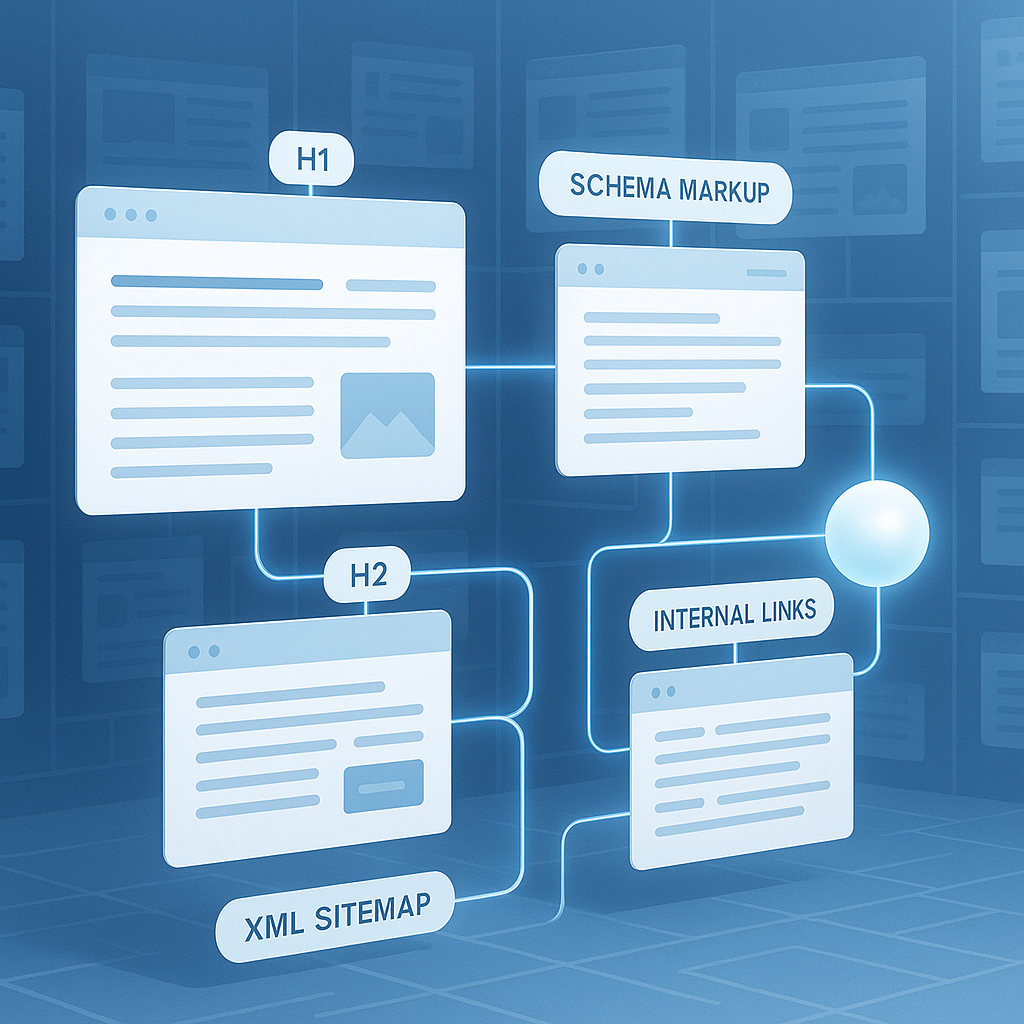
One H1. Clear H2s. Logical H3s. No skipping levels because "it looks better." Crawlers don’t care about visual size - they care about hierarchy. Correct structure example:
- H1 - Main topic
- H2 - Major section
- H3 - Supporting detail
Wrong approach? Jumping from H1 to H4 because of CSS styling. It confuses context. And confused crawlers don’t rank confidently.
Organize Content Into Meaningful Sections
Each section should focus on one idea. Not three. Not five. AI models thrive on clarity. When a section discusses "structured data markup," it shouldn’t drift into pricing strategies halfway through. Clean topical clusters help ChatGPT’s crawler understand thematic relationships across your site.
Implement Structured Data Markup - Yes, Really
Schema markup isn’t optional anymore. It’s foundational. Structured data acts like metadata subtitles for machines. It tells crawlers exactly what something represents - article, product, FAQ, service, event. Here’s what works well:
- Article schema for blog posts
- FAQ schema for question sections
- Organization schema for brand clarity
- Product schema for ecommerce pages
Without schema, AI has to infer meaning. With it, meaning is explicit. That’s powerful.
Create Context Through Internal Linking
Imagine walking into a library where no books reference each other. No "see also." No categories. Just shelves. Internal linking fixes that. ChatGPT’s crawler follows links to understand relationships between topics. Strategic linking builds content clusters. For example:
- Pillar page: "AI SEO Strategy"
- Supporting pages: structured data, semantic HTML, crawler optimization
When interconnected naturally, the crawler recognizes authority within that theme. One thing to avoid - random anchor text. Be descriptive. Clear. Human.
Write for Meaning, Not Just Keywords
Here’s a hot take. Keyword stuffing is the fastest way to look outdated. AI systems evaluate context depth. They analyze how comprehensively a subject is covered. Instead of repeating "structure data for ChatGPT" twenty times, explain:
- How crawlers interpret hierarchy
- Why metadata matters
- What improves machine readability
- Where schema fits into SEO
Topical completeness beats repetition. Every time.
Optimize for Crawl Efficiency
Technical clarity makes a massive difference.
1. Improve Page Speed
Heavy scripts and bloated code slow down crawling. Faster sites get indexed more efficiently. Compress images. Minify CSS. Remove unnecessary plugins.
2. Maintain a Clean URL Structure
Compare these: example.com/page?id=4839&ref=22 vs. example.com/ai/structured-data-guide One communicates context instantly. Guess which one crawlers prefer?
3. Use XML Sitemaps Strategically
Sitemaps act as roadmaps. They tell crawlers what exists and how frequently it changes. Keep them updated. Remove outdated URLs. Highlight cornerstone pages.
Make Content Machine-Friendly and Human-Readable
Balance is key. Content structured for AI shouldn’t feel robotic to people. The best-performing pages do both effortlessly. Break up text with:
- Bullet points
- Numbered steps
- Short paragraphs
- Clear subheadings
This improves readability signals and reduces bounce behavior. Even AI models detect engagement patterns indirectly through performance data.
Use Entities and Clear Definitions
Entities matter. Define terms explicitly. If discussing "ChatGPT’s web crawler," clarify what it does. Explain its purpose. Describe how it interacts with public content. Ambiguity weakens structure. Clarity strengthens it. For businesses looking to streamline this process, services like rapidwombat.com focus on optimizing data frameworks so AI systems interpret websites correctly from the start.
Leverage FAQs for Structured Understanding
Question-based sections do two things:
- Address user intent directly
- Create clean, extractable answers
When formatted properly with FAQ schema, these sections become highly digestible for AI systems. Keep answers concise but meaningful. Avoid fluff. Deliver clarity. Have you ever noticed how AI-generated summaries often pull from clearly structured Q and A sections? That’s not coincidence.
Avoid Common Structural Mistakes
Even well-designed sites slip up. Here are pitfalls to watch:
- Duplicate title tags
- Missing meta descriptions
- Thin content pages
- Overlapping topics without differentiation
- Navigation that buries important pages
Each issue weakens crawl confidence. And confidence matters. When structure is clear, AI models are more likely to trust the content hierarchy.
Think in Layers, Not Pages
This might shift perspective. Instead of viewing content as isolated pages, imagine it as layered architecture: Layer 1 - Core topic authority Layer 2 - Supporting thematic depth Layer 3 - Detailed subtopic expansion This layered approach creates semantic richness. ChatGPT’s crawler doesn’t just scan pages. It maps ecosystems. If your ecosystem is coherent, organized, and interlinked, interpretation becomes easier. And easier interpretation often leads to stronger visibility in AI-driven experiences.
Test, Refine, Repeat
Data structure isn’t a one-time task. Run structured data validation tools. Audit heading consistency. Review internal linking quarterly. Monitor performance shifts after structural updates. Optimization is iterative. And honestly? That’s a good thing. It means improvement is always possible.
Final Thoughts on Structuring Data for AI Crawlers
Websites built for humans alone are incomplete. Websites built for machines alone feel lifeless. The sweet spot sits right in the middle. Structure data with intention. Use semantic markup. Implement schema. Connect ideas logically. Keep technical foundations clean. When done correctly, ChatGPT’s web crawler doesn’t struggle to interpret your content - it understands it. And in an AI-shaped digital landscape, understanding is everything.