Why Gemini is the New Google: A Growth Strategy
Search is changing. Quietly at first. Then all at once.
For years, brands obsessed over ranking on Google. Page one. Top three. Featured snippets. That was the battlefield. Now? The ground is shifting beneath everyone’s feet, and many businesses haven’t noticed yet.
Gemini - Google’s AI-powered conversational engine - isn’t just another feature. It’s becoming the interface. And if that sounds dramatic, good. It should.
This isn’t about replacing search. It’s about redefining how people find answers, evaluate brands, and make decisions. If companies want growth in 2026 and beyond, they need to treat Gemini like the new Google.
The Shift from Search Engine to Answer Engine
Traditional search worked like a library. Users typed a query. Google handed back a stack of links. The user did the digging.
Gemini flips that model.
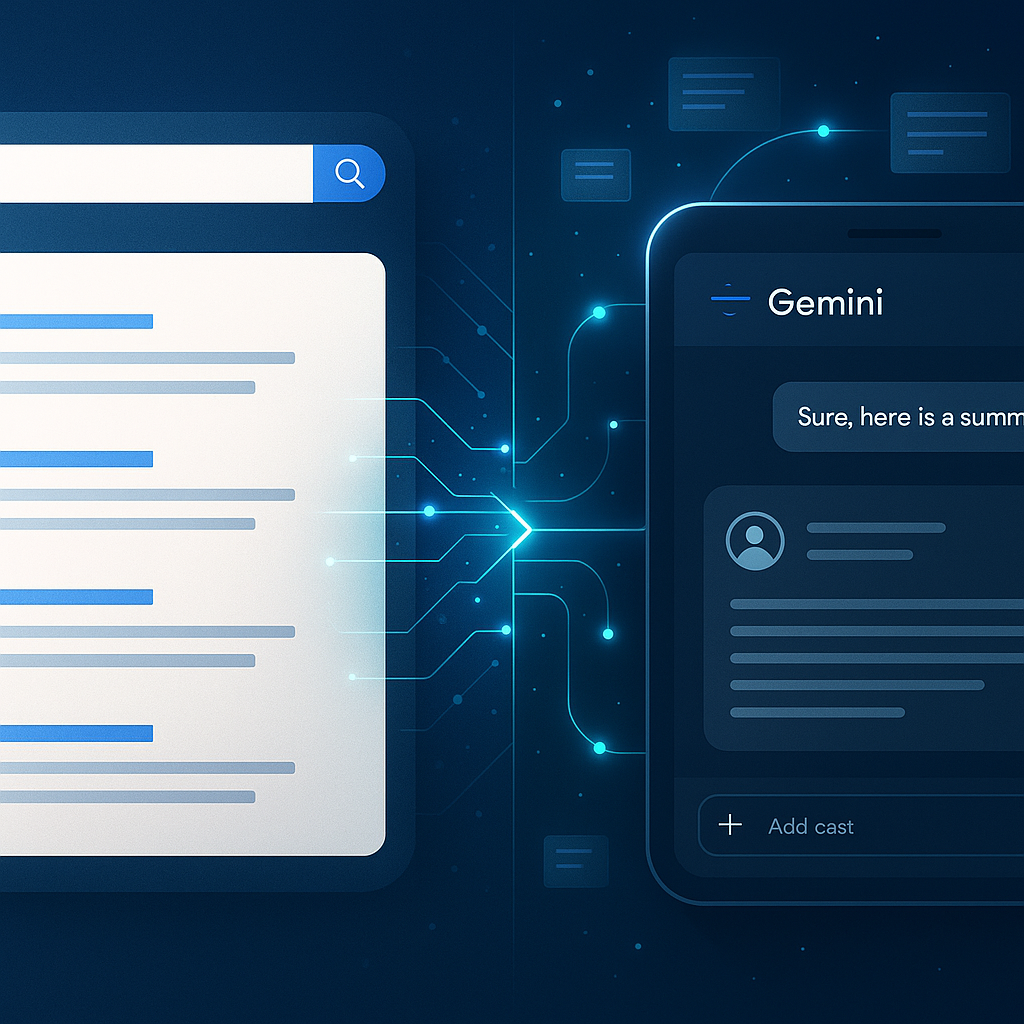
Instead of offering ten blue links, it synthesizes information into a single, conversational response. It summarizes. It recommends. It interprets intent.
Here’s the hot take - when people get a clear answer immediately, they stop clicking.
Why This Changes Everything
- Fewer clicks: Users often don’t visit websites if the answer feels complete.
- Higher stakes for visibility: If your brand isn’t cited or referenced, you effectively don’t exist.
- Authority matters more than ever: AI prioritizes trusted, structured, context-rich content.
Sounds simple, right? Just “create better content.”
Not quite.
Optimizing for Gemini requires a different growth strategy - one that blends SEO, structured data, topical authority, and brand trust into a cohesive system.
Gemini as the New Front Page
Think of Gemini as a concierge instead of a directory.
A directory points you toward options. A concierge tells you exactly where to go.
If your business isn’t in the concierge’s recommendations, traffic drops. Awareness shrinks. Conversions decline. Quietly.
This is why forward-thinking companies are shifting focus from ranking for keywords to being the source that AI references.
From Keyword Strategy to Entity Strategy
Old-school SEO revolved around keyword density and backlinks. Today’s growth model centers on entities - clear signals about who you are, what you do, and why you matter.
Gemini interprets context. It connects dots across the web. It favors brands that:
- Publish authoritative, in-depth resources.
- Maintain consistent messaging across platforms.
- Use structured data to clarify meaning.
- Earn citations from credible sources.
In other words, growth now depends on clarity and credibility.
The New Rules of AI-Driven Visibility
Here’s where many companies stumble. They treat AI visibility as a technical tweak. A plugin. A quick schema update.
It’s bigger than that.
Optimizing for Gemini is a strategic commitment. It touches content creation, branding, technical SEO, and digital PR.
1. Depth Beats Volume
Thin blog posts won’t cut it anymore. AI systems gravitate toward comprehensive, well-structured material that fully answers user intent.
That means:
- Long-form guides with clear sections.
- FAQs that anticipate real questions.
- Data-backed insights instead of fluff.
Think of your content like a reference book, not a brochure.
2. Context is King
Gemini doesn’t just analyze a single page. It evaluates the broader ecosystem around your brand.
Are your social profiles aligned? Do industry sites mention you? Does your website clearly define services and expertise?
Every signal adds up.
3. Conversational Optimization
Users now ask full questions instead of typing fragmented phrases. “What’s the best growth strategy for AI search visibility?” is more common than “AI search growth strategy.”
Content must mirror that behavior.
Use natural language. Provide direct answers. Structure pages with clear headings that match real queries.
A Practical Growth Framework for the Gemini Era
So what does this look like in action?
Below is a simplified framework businesses can apply immediately.
Step 1 - Audit Your Authority
Start with brutal honesty. Does your website demonstrate expertise, or does it skim the surface?
Review:
- Top-performing pages.
- Content gaps in your niche.
- Brand mentions across the web.
If authority feels scattered, consolidation should be priority one.
Step 2 - Build Topic Clusters
Instead of random blog posts, develop interconnected content hubs.
For example:
- A pillar page on AI search optimization.
- Supporting articles on structured data, conversational SEO, and entity recognition.
- Case studies demonstrating measurable results.
This structure signals expertise and strengthens contextual relevance.
Step 3 - Optimize for Clarity
Ambiguity is the enemy of AI interpretation.
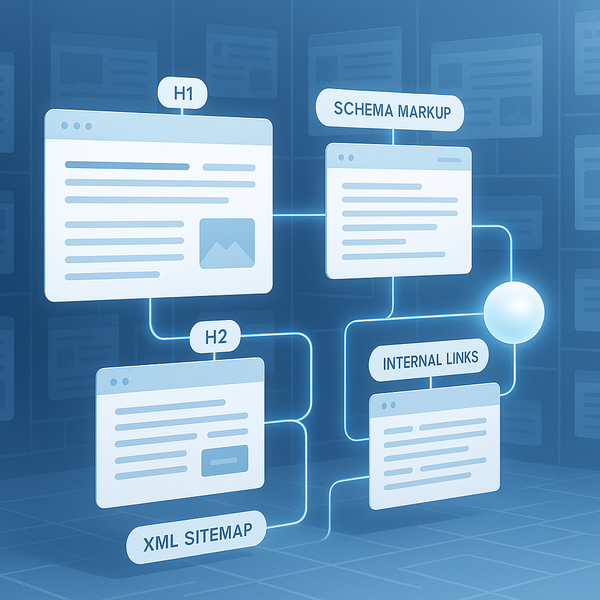
Define services clearly. Use schema markup. Provide concise summaries at the top of important pages.
When systems can easily categorize your brand, they are more likely to surface it.
Step 4 - Leverage Specialized Support
Let’s be realistic - most teams don’t have the bandwidth to overhaul strategy alone.
This is where focused partners matter. Services like rapidwombat.com help brands align content, SEO, and AI visibility into a unified growth engine.
Because piecemeal adjustments rarely produce meaningful impact.
What Happens If You Ignore This?
Traffic may not vanish overnight. It rarely does.
Instead, decline happens gradually. Fewer impressions. Lower click-through rates. Reduced engagement.
Meanwhile, competitors who adapt early become embedded in AI-generated responses. They gain disproportionate exposure.
And here’s the uncomfortable truth - once an AI consistently references certain brands, that visibility compounds.
Momentum builds. Trust deepens. Market share shifts.
The Psychological Edge of AI Recommendations
When users read a list of links, they evaluate options independently.
When Gemini presents a synthesized answer, it feels authoritative. Curated. Almost neutral.
That subtle perception changes decision-making behavior.
If your company is mentioned within an AI-generated explanation, it carries implicit endorsement. Not a paid ad. Not a flashy banner. A contextual inclusion.
That’s powerful.
Why Early Adoption Wins
Every major digital shift rewards early movers.
Social media. Mobile optimization. Voice search.
Those who adapted before the mainstream surge captured attention at a discount.
The same pattern is unfolding now with AI-driven discovery.
Businesses that treat Gemini as the new Google - rather than a side experiment - will build durable visibility while others scramble to catch up.
Final Thoughts on the New Search Landscape
Gemini isn’t killing search. It’s compressing it.
Compressing research time. Compressing decision cycles. Compressing the distance between question and action.
Growth strategies must evolve accordingly.
Instead of chasing isolated keywords, brands need to cultivate authority ecosystems. Instead of optimizing for clicks alone, they must optimize for inclusion in AI narratives.
The companies that understand this shift will thrive. The ones that ignore it will wonder why their traffic charts slowly tilt downward.
The future of visibility isn’t about being one of ten links.
It’s about being the answer.