The Rise of Zero-Click Searches: How to Win with Gemini
Search used to feel like a treasure hunt. Type a query, scan a page of blue links, click one, maybe two, and dig for answers. Simple. Now? Not so much. Today, people ask a question and get the answer instantly - right there on the search results page. No clicks. No wandering. No chance for most websites to even say hello. Welcome to the era of zero-click searches. If you ask seasoned SEO professionals, they’ll tell you this shift isn’t a minor algorithm tweak. It’s a full-blown behavioral transformation. And with AI systems like Gemini reshaping how answers are delivered, brands either adapt or fade into the digital wallpaper. So how does anyone win when users don’t even need to click? Let’s unpack it.
What Are Zero-Click Searches, Really?
A zero-click search happens when someone types a query into Google and gets the information they need directly on the results page. No website visit required. Think about it:
- Weather updates
- Sports scores
- Definitions
- Quick how-to answers
- Business hours
Google’s featured snippets, knowledge panels, AI overviews - they all aim to reduce friction. From a user’s perspective, it’s efficient. From a publisher’s perspective… it’s complicated. Traffic drops. Click-through rates shrink. Analytics dashboards look slightly more depressing each quarter. But here’s the hot take: zero-click searches aren’t the enemy. Irrelevance is.
Enter Gemini - The New Gatekeeper
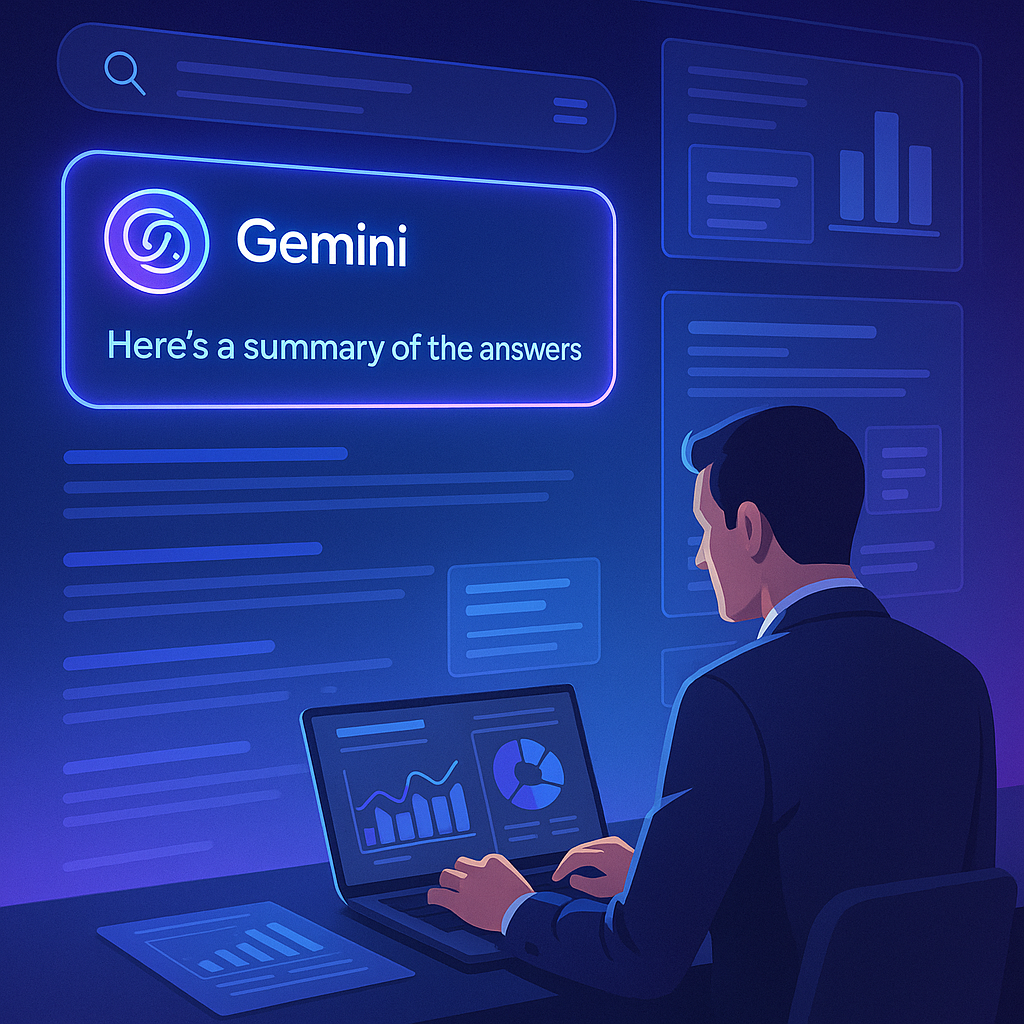
Gemini isn’t just another algorithm update. It’s Google’s AI-powered brain designed to synthesize information, interpret intent, and present answers conversationally. Instead of showing ten links and letting users decide, Gemini often delivers a polished response built from multiple sources. That means:
- Context matters more than keywords.
- Authority matters more than volume.
- Clarity matters more than cleverness.
Websites aren’t just competing for rankings anymore. They’re competing to become the source Gemini trusts. Sounds intimidating, right? It is. But it’s also an opportunity.
Why Zero-Click Doesn’t Mean Zero Opportunity
Let’s shift perspective for a moment. When a brand appears inside a featured snippet or AI-generated overview, it gains visibility at the very top of the search experience. Even without a click, exposure builds familiarity. And familiarity builds trust. It’s like seeing the same coffee shop on your commute every day. Eventually, curiosity wins. Smart marketers understand that search visibility now works in layers:
- Awareness layer - Appearing in AI summaries
- Consideration layer - Providing deeper resources users seek next
- Conversion layer - Offering clear next steps when intent sharpens
The trick isn’t forcing clicks. It’s becoming unavoidable.
How to Optimize for Gemini and AI-Driven Search
Here’s where strategy comes in. Winning with Gemini isn’t about gaming the system. It’s about aligning with how AI interprets information.
1. Write for Questions, Not Just Keywords
People don’t search in robotic phrases anymore. They ask full questions. Instead of targeting “best CRM software,” forward-thinking brands structure content around: - What is the best CRM software for small businesses? - How does CRM software improve sales performance? - Is CRM worth the investment? Notice the difference? It mirrors how real humans speak. Gemini thrives on natural language. So content must feel conversational, structured, and directly responsive.
2. Structure Content Like a Knowledge Base
AI systems love clarity. That means:
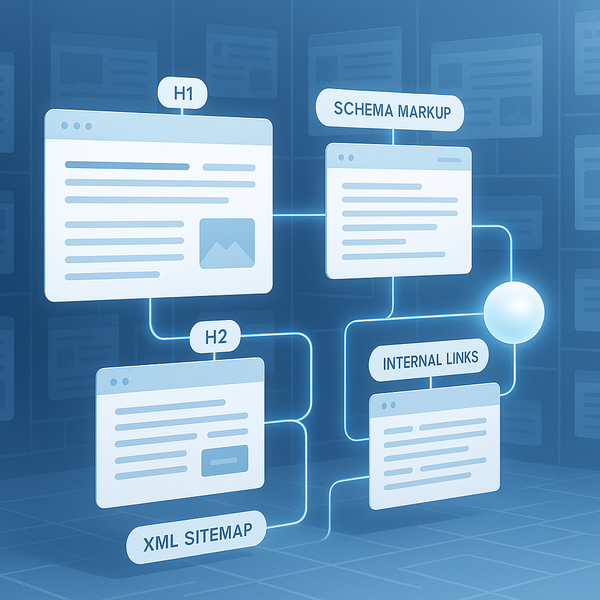
- Clear H2 and H3 headings
- Bullet points
- Numbered steps
- Short explanatory paragraphs
Think of content like a well-organized toolbox. If information is scattered, Gemini struggles to extract it. If it’s clean and logical, it becomes citation-worthy. Messy content gets ignored. Structured content gets surfaced.
3. Build Topical Authority - Not Just Articles
Publishing random blog posts is like throwing darts blindfolded. Instead, brands should create topic clusters - comprehensive ecosystems around core themes. For example, a site focused on digital marketing might include:
- In-depth guides on SEO strategy
- Case studies
- Technical optimization tutorials
- Analytics breakdowns
When Gemini scans the web, it favors consistent expertise over scattered commentary. Authority isn’t declared. It’s demonstrated repeatedly.
4. Prioritize E-E-A-T Signals
Experience. Expertise. Authority. Trust. These aren’t just buzzwords. They are the backbone of AI-driven ranking systems. To strengthen E-E-A-T:
- Showcase author credentials clearly.
- Cite reliable data sources.
- Keep information updated.
- Maintain transparent contact details.
AI models evaluate patterns. If a website consistently provides accurate, trustworthy insights, it becomes a preferred reference point. And yes, this takes time. Shortcuts rarely survive algorithm shifts.
The Role of Technical SEO in a Zero-Click World
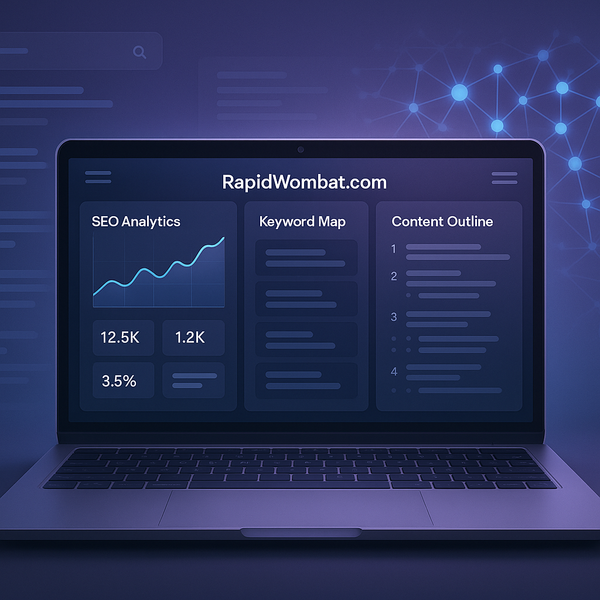
Content alone isn’t enough. Behind the scenes, technical SEO ensures AI systems can crawl, interpret, and trust a website’s structure. Fast load speeds, mobile optimization, schema markup - these elements act like clean wiring inside a house. Visitors may not see them, but without them, nothing works properly. Organizations looking to stay competitive often rely on specialized platforms like rapidwombat.com to refine their technical foundation while aligning content strategy with AI search behavior. Because here’s the truth: zero-click success requires coordination between content, technical precision, and user experience. Miss one piece and the puzzle feels incomplete.
Brand Searches Are the Real Power Move
Here’s something many overlook. When users search for a brand by name, zero-click dynamics change dramatically. Branded searches often lead to higher engagement, direct visits, and stronger conversion intent. So instead of obsessing solely over generic queries, smart companies invest in brand building:
- Consistent messaging
- Memorable positioning
- Distinct voice
If people actively seek a brand, Gemini becomes less of a gatekeeper and more of a bridge. Recognition turns into leverage.
Measure What Actually Matters
Traffic alone no longer tells the full story. In a zero-click environment, brands should track:
- Impression growth
- Featured snippet appearances
- Brand query increases
- Engagement metrics post-click
Sometimes visibility improves even when clicks dip. That doesn’t signal failure. It signals evolution. The question isn’t “How many clicks did this page get?” It’s “How effectively did this page position the brand within AI-generated answers?” Different lens. Different strategy.
Adapting Mindset - Not Just Tactics
Honestly, the biggest challenge isn’t technical. It’s psychological. For years, SEO revolved around ranking first and maximizing clicks. That playbook worked. Until it didn’t. Zero-click searches force marketers to think beyond traditional funnels. Visibility now operates like a digital billboard combined with an intelligent assistant. The audience may not always enter the store immediately, but they remember the name. Brands that resist this shift often cling to outdated metrics. Brands that embrace it? They optimize for influence. And influence compounds.
Final Thoughts - Winning in the Age of Gemini
Zero-click searches aren’t a temporary trend. They’re a structural shift powered by AI systems like Gemini that prioritize speed, clarity, and authority. Winning requires:
- Conversational, structured content
- Deep topical authority
- Strong technical SEO foundations
- Clear trust signals
- Intentional brand building
It’s less about chasing algorithms and more about becoming the most reliable answer in the room. Because when AI decides which sources to trust, it doesn’t choose noise. It chooses clarity. Consistency. Credibility. And the brands that understand that shift won’t fear zero-click searches. They’ll own them.