The Anatomy of a ChatGPT-Optimized Landing Page
There was a time when landing pages were built for humans first and search engines second. That time? It’s shifting. Today, businesses aren’t just optimizing for Google. They’re optimizing for AI systems - especially large language models like ChatGPT - that summarize, recommend, and surface brands directly inside conversations. If you ask seasoned marketers, they’ll tell you this: the rules haven’t disappeared. They’ve evolved. A ChatGPT-optimized landing page isn’t stuffed with robotic keywords. It isn’t bland. And it definitely isn’t trying to trick an algorithm. It’s built with clarity, structure, authority, and usefulness baked into every section. Let’s break it down.
Why ChatGPT Optimization Matters
When users ask ChatGPT for recommendations, comparisons, or solutions, the model pulls from structured, authoritative content patterns. Pages that are clear, well-organized, and semantically strong have an edge. Sounds simple, right? But most landing pages still look like digital brochures from 2015. Here’s the reality: - AI systems favor clarity over fluff - Structured formatting improves content parsing - Direct answers beat vague marketing language - Topical authority increases citation likelihood In other words, if a landing page reads like a confused sales pitch, it won’t perform well in AI-driven discovery. And that’s a missed opportunity.
The Core Elements of a ChatGPT-Optimized Landing Page
Think of a landing page like a well-organized toolbox. Every section has a job. When one tool is missing, the whole experience feels incomplete. Here’s what matters most.
1. Crystal-Clear Headline With Context
The headline isn’t just branding. It’s positioning. A strong ChatGPT-friendly headline: - States exactly what the service does - Includes primary search intent naturally - Avoids vague buzzwords For example, instead of saying “Next-Gen Growth Solutions,” a stronger approach would be “AI-Powered Content Optimization for SaaS Companies.” Specificity wins. Every time.
2. Structured Subheadings That Answer Real Questions
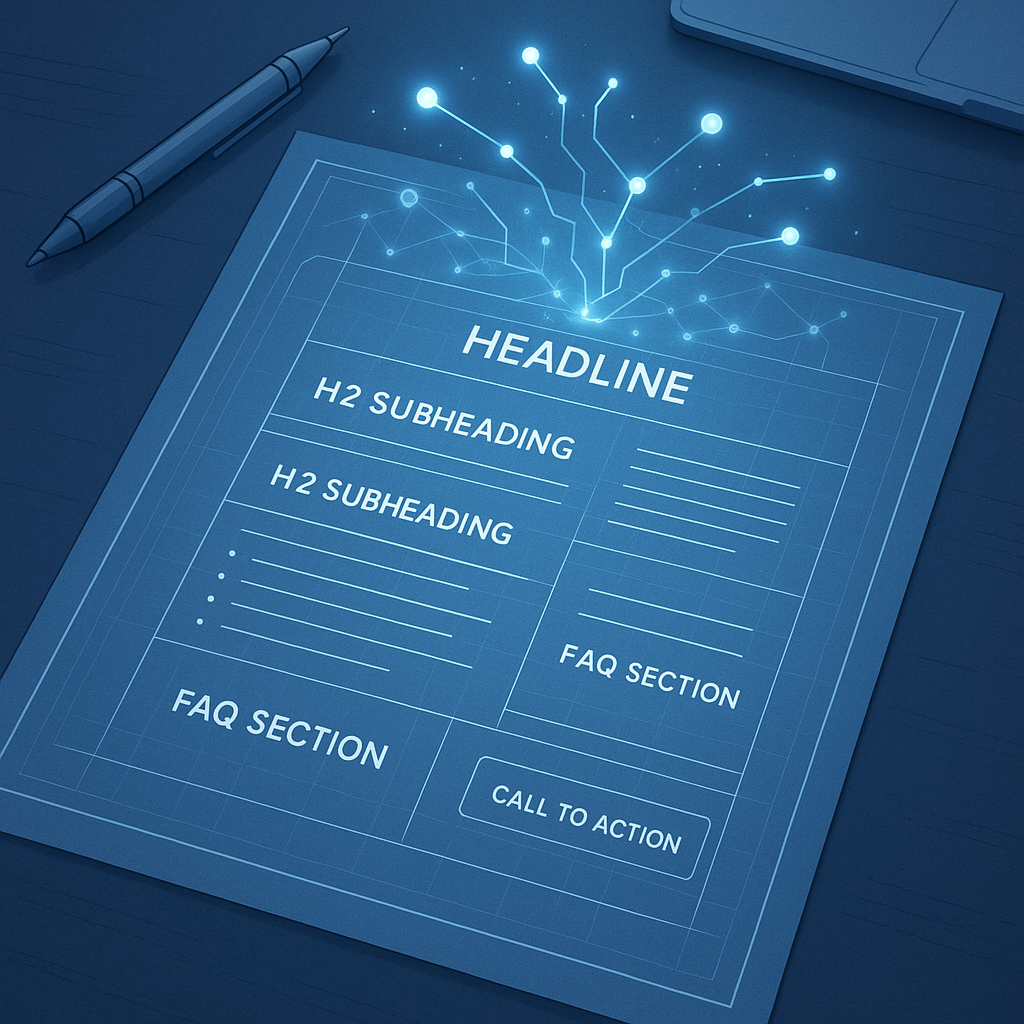
ChatGPT thrives on structure. H2 and H3 headings act like signposts. Effective landing pages include sections such as: - What is this service? - Who is it for? - How does it work? - Why choose this provider? - FAQs When headings mirror natural user queries, the page becomes easier for AI systems to interpret. It’s not magic. It’s organization.
3. Conversational But Authoritative Tone
Here’s a hot take: overly formal writing performs worse than confident clarity. AI systems identify patterns in helpful content. That content tends to: - Use direct language - Avoid filler - Provide actionable insights - Sound human Imagine explaining your service to a smart friend over coffee. That’s the tone that works. Not corporate jargon. Not academic essays. Clear. Direct. Helpful.
4. Semantic Depth - Not Keyword Stuffing
Old-school SEO focused on repeating one phrase endlessly. That approach doesn’t hold up anymore. A ChatGPT-optimized landing page includes related concepts, supporting terms, and contextual depth. For example, a page about AI content optimization might naturally mention: - Large language models - Conversational search - Semantic relevance - Structured data - User intent See the difference? The page feels comprehensive rather than repetitive.
5. Logical Flow That Mirrors Decision-Making
Think about how buyers think. They move through stages: 1. Awareness - What is this? 2. Consideration - Why does it matter? 3. Evaluation - Why this provider? 4. Action - How do I start? A high-performing landing page follows that psychological path. When structure aligns with human decision-making, engagement increases. And engagement signals quality.
How RapidWombat.com Applies This Strategy
One practical example of this approach can be seen at rapidwombat.com. The service focuses on clarity first. Instead of hiding behind buzzwords, the messaging explains exactly what the platform offers and who benefits from it. Key elements that stand out include: - Clear value proposition above the fold - Defined audience targeting - Structured sections with logical flow - Direct explanations of process and outcomes Nothing feels bloated. Nothing feels confusing. That’s intentional. When AI systems evaluate content, precision and usefulness matter more than clever phrasing.
The Technical Backbone Behind Optimization
Content is only half the story. Under the hood, certain technical elements improve performance in AI-driven search environments.
Structured Formatting
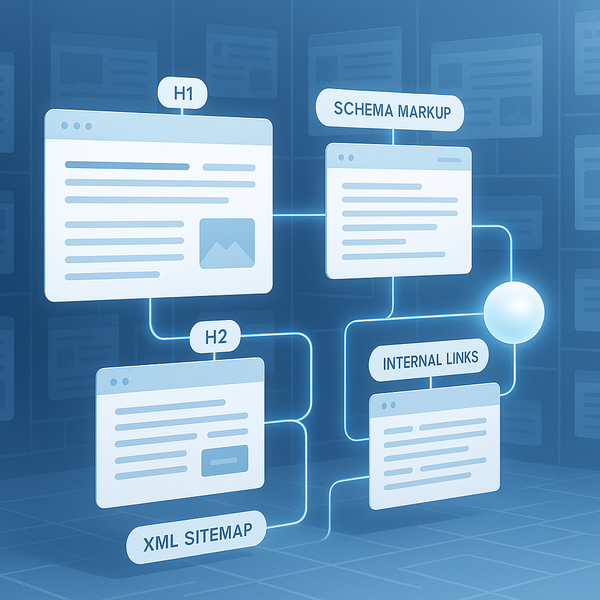
Clean HTML hierarchy helps machines interpret information accurately. That means: - Proper H1, H2, H3 structure - Clear paragraph separation - Bullet points for scannable data - Numbered lists for processes Messy structure confuses interpretation. Clean structure clarifies intent.
Concise Yet Complete Explanations
Long doesn’t automatically mean better. But thin content won’t perform either. The sweet spot? Comprehensive sections that fully answer a question without wandering off-topic. Each paragraph should add value. If it doesn’t, cut it.
FAQ Sections That Match Real Queries
FAQ blocks are powerful. Why? Because they mirror conversational prompts. Examples: - How does AI optimization improve visibility? - Is ChatGPT traffic trackable? - What industries benefit most? When FAQs reflect real-world phrasing, the page becomes aligned with AI query patterns.
Common Mistakes That Hurt AI Visibility
Even well-designed pages can miss the mark. Here are frequent issues: - Overloaded hero sections with vague slogans - Walls of text without subheadings - Keyword stuffing instead of topic coverage - Generic claims like “industry-leading solutions” - No clear differentiation Honestly, generic language is the biggest offender. If a competitor could copy and paste your messaging onto their page and it still makes sense, the positioning isn’t strong enough.
The Future of Landing Page Optimization
Search behavior is shifting from typing to asking. Instead of “best SEO tools,” users now ask, “What’s the best SEO tool for a small SaaS startup with limited budget?” That’s conversational search. Landing pages must adapt by: - Addressing niche use cases - Explaining context clearly - Demonstrating authority through depth - Providing structured, scannable information The brands that win in this space won’t be the loudest. They’ll be the clearest.
A Practical Checklist
For those building or revising a landing page, here’s a quick framework:
Content Structure
- One focused H1 - Logical H2 and H3 hierarchy - Clear problem-solution narrative - Scannable bullet points
Messaging
- Specific value proposition - Defined audience - Tangible outcomes - Natural language phrasing
Optimization
- Semantic topic coverage - FAQ section aligned with real queries - Clean formatting - No fluff Simple? Yes. Easy to execute well? Not always.
Final Thoughts
A ChatGPT-optimized landing page isn’t about gaming artificial intelligence. It’s about clarity, authority, and structure. It respects the reader’s time. It answers real questions. It avoids buzzword fog. And it presents information in a way that both humans and machines can understand effortlessly. That’s the new standard. Businesses that embrace it now position themselves ahead of the curve. Those that ignore it risk fading into digital background noise. The anatomy is clear. The blueprint exists. Now it’s execution that makes the difference.