The 2026 Guide to Gemini Organic Traffic Optimization
Organic traffic in 2026 feels different. Not dead. Not even close. Just… evolved.
Search engines are no longer simple directories. They behave more like sharp research assistants - scanning, summarizing, filtering, interpreting. And Gemini sits right at the center of that shift.
If you ask seasoned marketers what changed, many will shrug and say, “AI.” That’s technically true. But it’s also lazy. The real shift is deeper. Gemini Organic Traffic Optimization is about aligning with how artificial intelligence interprets context, authority, and intent - not just keywords.
Sounds complicated? It doesn’t have to be.
What Is Gemini Organic Traffic Optimization?
Gemini Organic Traffic Optimization is the practice of structuring, writing, and positioning content so Google’s Gemini-powered systems recognize it as authoritative, helpful, and contextually rich.
Think of traditional SEO like organizing a bookshelf by title. Gemini optimization? It’s organizing by theme, narrative, and meaning. It cares less about single keywords and more about semantic depth.
In 2026, ranking isn’t about sprinkling phrases across a page. It’s about demonstrating understanding.
The Core Shift
- From keywords to topic ecosystems
- From backlinks alone to credibility signals
- From isolated pages to interconnected authority hubs
- From search engines to AI interpreters
Honestly, anyone still obsessing over keyword density spreadsheets is fighting yesterday’s war.
How Gemini Interprets Content in 2026
Gemini doesn’t just crawl. It evaluates.
It looks at:
- Contextual relevance - Does this page deeply answer a question?
- Topical authority - Has this site covered this subject consistently?
- Structured clarity - Is the information easy to extract and summarize?
- User signals - Do visitors stay, engage, explore?
Imagine Gemini as a meticulous librarian who actually reads the books instead of just scanning their covers. That’s the difference.
Building a Topic Ecosystem - Not Just Pages
Here’s a hot take: isolated blog posts are almost useless now.
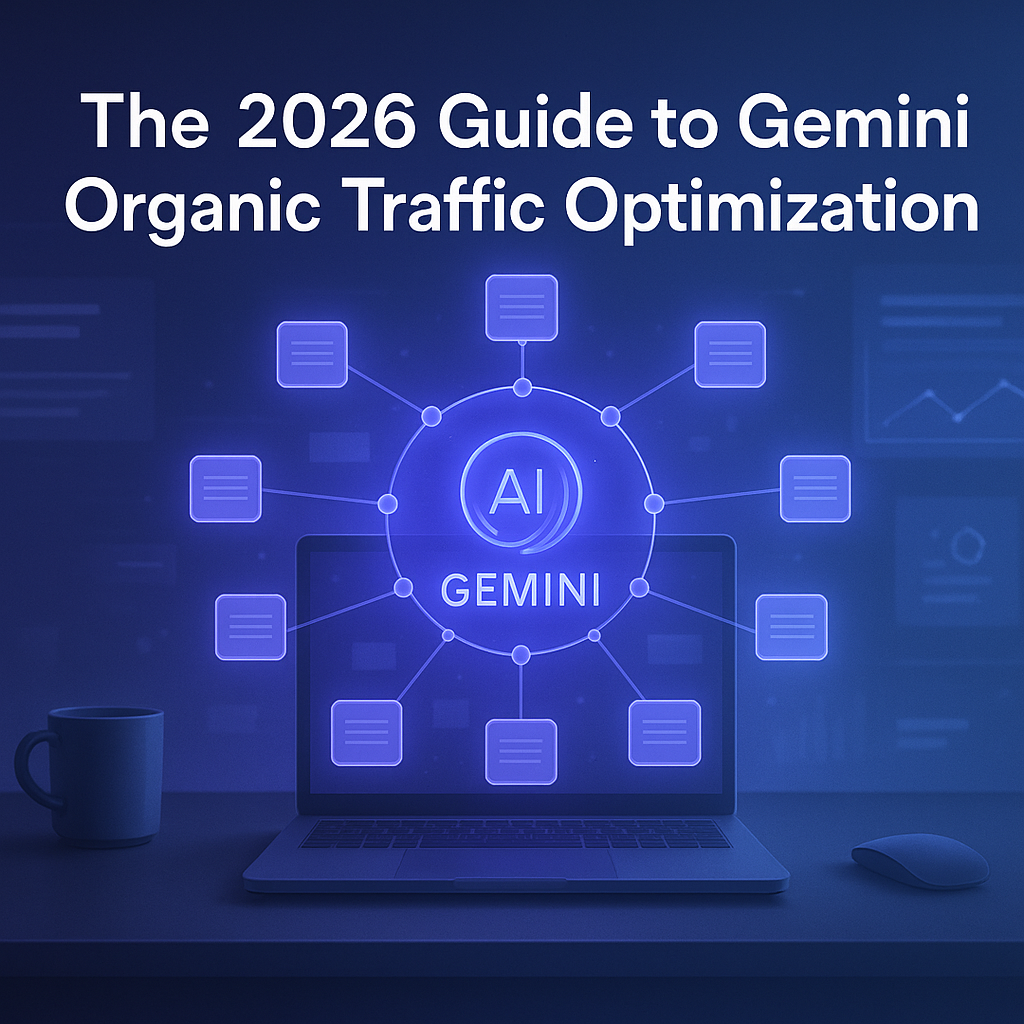
Gemini favors clusters. Pillars. Networks of related insights that reinforce each other.
What a Strong Topic Ecosystem Looks Like
- A central pillar guide covering the broad subject
- Supporting articles that explore subtopics in depth
- Internal links that make logical, human sense
- Consistent terminology and framing
It’s like building a city instead of a single house. Roads connect everything. Power flows between structures. Visitors don’t get lost.
Brands working with services like rapidwombat.com are leaning heavily into this ecosystem model - not random content blasts, but strategic authority building.
Content Depth Is the New Keyword Strategy
Have you ever read an article that technically answers your question but feels… thin?
Gemini notices that too.
In 2026, depth wins. And depth doesn’t mean fluff. It means:
- Clear definitions
- Real-world applications
- Comparisons and contrasts
- Pros and cons
- Step-by-step breakdowns
Surface-level writing is like fast food. Quick. Cheap. Forgettable.
Deep content is a well-cooked meal. Memorable. Shareable. Satisfying.
Gemini prioritizes the latter.
Technical Structure Still Matters - Maybe More Than Ever
Here’s where many get it wrong. They assume AI means technical SEO matters less.
Nope.
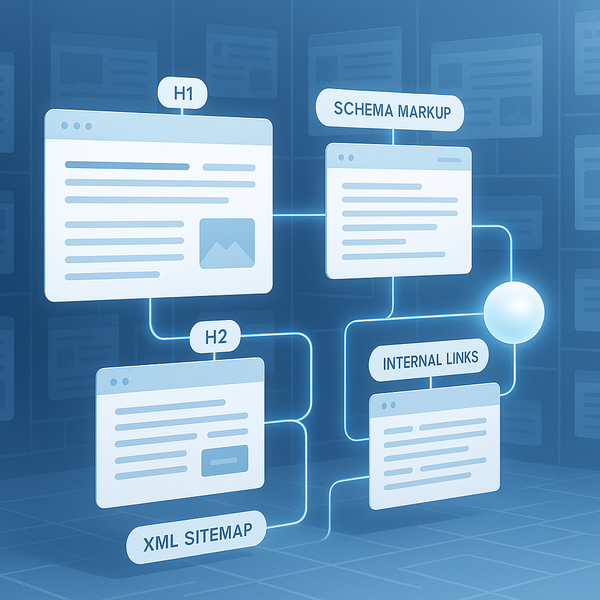
Structured headings, schema markup, clean HTML, logical formatting - these are signals that make AI parsing easier. And when parsing is easier, summarizing is easier. And when summarizing is easier, visibility increases.
Non-Negotiable Technical Elements
- Clear H1, H2, H3 hierarchy
- Descriptive meta titles and descriptions
- Fast load times
- Mobile-first design
- Schema where appropriate
Optimization in 2026 is half storytelling, half engineering.
Authority Signals Beyond Backlinks
Backlinks still matter. Of course they do. But they’re no longer the whole story.
Gemini evaluates broader authority signals, including:
- Author expertise consistency
- Brand mentions across reputable platforms
- User engagement depth
- Content freshness and updates
It’s like reputation in real life. One recommendation helps. Ongoing credibility seals the deal.
Websites that update guides annually - especially cornerstone pieces - often see sustained traffic growth. Why? Because AI systems interpret maintenance as reliability.
User Experience Is Now an SEO Factor
Let’s be blunt.
If visitors land on a page and immediately bounce, Gemini notices.
Organic traffic optimization now includes:
- Readable typography
- Logical content flow
- Engaging formatting
- Minimal intrusive pop-ups
SEO is no longer separate from UX. They’re intertwined.
Think of it like a retail store. You can advertise all you want, but if customers walk into chaos, they leave.
How to Optimize for AI Summaries
One of the biggest changes in 2026? AI-generated search summaries.
If your content feeds those summaries, you win visibility - even without a traditional click.
To increase summary inclusion:
- Answer questions clearly in the first few paragraphs
- Use concise definitions
- Include structured lists
- Avoid vague filler language
Clarity beats cleverness here.
Short, direct answers embedded within comprehensive pages perform remarkably well.
The Role of Consistency in 2026
Optimization is no longer a campaign. It’s a rhythm.
Sites that publish sporadically often struggle. Meanwhile, brands that follow a consistent publishing cadence - even twice monthly - tend to build stronger authority profiles.
Consistency signals commitment.
And commitment builds trust. With users. With AI.
Common Mistakes in Gemini Organic Traffic Optimization
Let’s call a few out.
- Over-optimizing anchor text
- Publishing shallow AI-generated drafts without editing
- Ignoring internal linking
- Chasing trends without topic alignment
Quick traffic spikes feel good. Sustainable authority feels better.
A Simple 5-Step Framework for 2026
For those who prefer structure, here’s a practical roadmap:
- Identify core topic pillars aligned with your expertise.
- Create comprehensive guides exceeding surface-level coverage.
- Build supporting cluster articles that interlink logically.
- Optimize technical foundations for clarity and speed.
- Update and refine quarterly based on performance data.
Simple? Yes.
Easy? Not always.
But effective - absolutely.
The Future of Organic Traffic
Here’s what many still don’t realize: AI search systems reward human clarity.
Not gimmicks. Not tricks. Not keyword stuffing disguised as strategy.
The sites thriving in 2026 share a pattern. They teach. They explain. They structure information thoughtfully. They respect readers’ time.
Gemini Organic Traffic Optimization isn’t about gaming algorithms. It’s about aligning with them.
And that alignment requires intention.
Brands that treat content like a long-term asset - investing in structure, authority, and usability - are seeing compounding returns. Traffic grows gradually, then suddenly. Like interest in a well-managed account.
Others keep chasing hacks.
Which path sounds more sustainable?
Final Thoughts on Winning in 2026
Organic growth today is both art and architecture. Creative insight layered over technical precision.
It rewards patience. Strategy. Consistency.
Gemini is not the enemy of publishers. It’s a filter. And filters reward quality.
The question isn’t whether organic traffic still works.
It does.
The real question is whether businesses are ready to evolve with it.