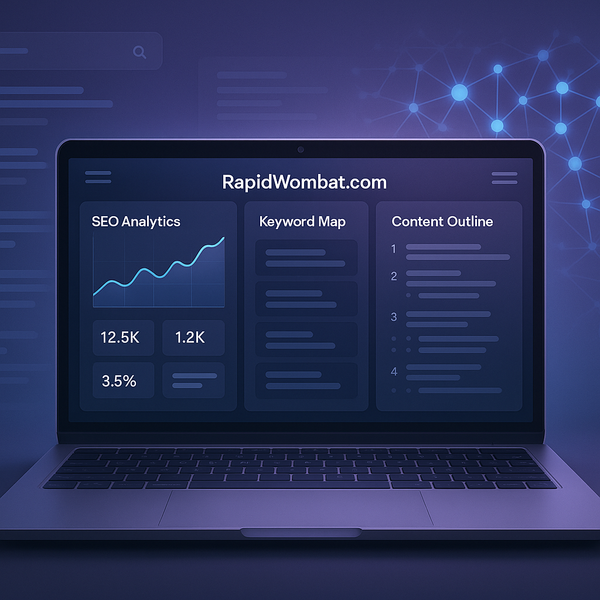
Shifting from Human CMOs to AI Strategy with RapidWombat.com
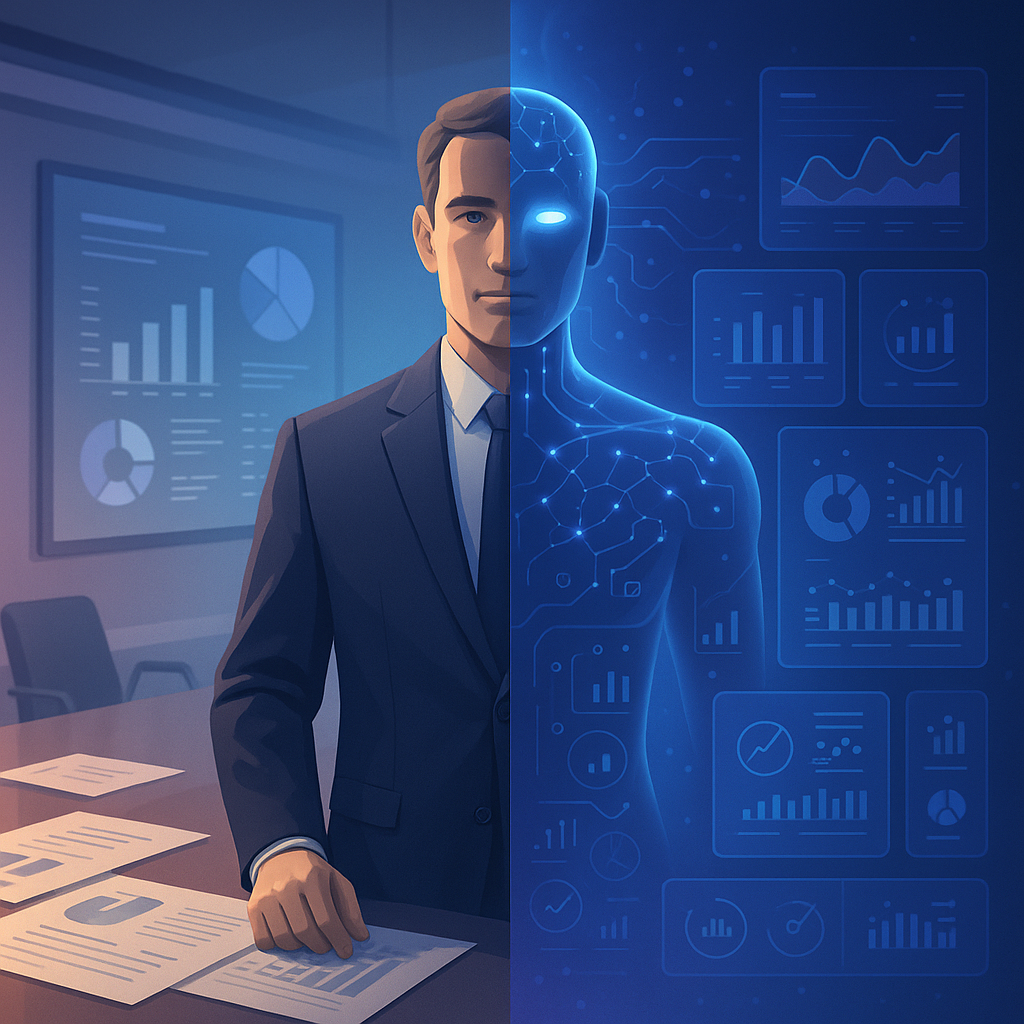
There was a time - not that long ago - when hiring a Chief Marketing Officer felt like a rite of passage. A company hit a certain revenue mark, investors started asking sharper questions, and suddenly everyone agreed: “We need a CMO.” It made sense. Marketing felt too important to leave to chance. But here’s the uncomfortable truth no one says out loud at board meetings: the traditional CMO model is cracking. Slowly. Then all at once. And in its place? AI-driven strategy. Platforms like rapidwombat.com are redefining what marketing leadership even means. Is that controversial? Maybe. Is it happening anyway? Absolutely.
The Old Model: Human CMOs as Strategic Quarterbacks
For decades, the CMO acted like the quarterback of the marketing team. Big-picture thinker. Brand guardian. Campaign architect. Budget owner. Cultural translator between executives and creatives. When it worked, it worked beautifully. A seasoned marketing executive could:
- Shape brand positioning
- Oversee campaigns across channels
- Align marketing with revenue goals
- Build and manage large teams
- Navigate boardroom politics
That’s a lot of responsibility for one human brain. And here’s the friction - modern marketing isn’t a single playbook anymore. It’s a constantly shifting maze of:
- Algorithm changes
- Data streams
- AI content systems
- Automation platforms
- Performance metrics updating in real time
One person, no matter how brilliant, simply can’t process everything fast enough. Sounds harsh? It’s just reality.
Why Companies Are Rethinking the CMO Role
Businesses today operate in a data-saturated environment. Marketing dashboards refresh by the hour. Customer journeys zigzag across platforms. Attribution models get debated like political campaigns. And yet - many executive marketing decisions still hinge on instinct. That mismatch is the problem. Here’s what forward-thinking organizations are realizing:
1. Speed Beats Hierarchy
Traditional marketing leadership often runs through layers of approval. Strategy meetings. Slide decks. Follow-up meetings to clarify the first meeting. Meanwhile, competitors deploy AI tools that:
- Analyze campaign performance instantly
- Adjust targeting automatically
- Optimize creative variations in real time
- Predict customer churn before it happens
AI doesn’t wait for Monday’s leadership sync.
2. Data > Gut Feelings
Here’s a hot take: experience is valuable, but it can also be biased. A CMO might say, “This messaging feels strong.” An AI strategy engine says, “Version B converts 18.7% better among mid-funnel SaaS buyers aged 30-44.” One is intuition. The other is measurable precision. In a market where margins shrink and ad costs climb, precision wins.
3. Cost Efficiency Is No Longer Optional
Let’s talk numbers. A senior-level CMO can command a six-figure salary - often well into the high six figures - plus bonuses, equity, benefits, and support staff. For startups and scaling companies, that’s a massive commitment. AI-driven marketing strategy platforms like rapidwombat.com offer something different:
- Scalable strategy without executive payroll overhead
- Continuous optimization instead of periodic reviews
- Integrated analytics without hiring multiple specialists
It’s not just cheaper. It’s structurally different.
What AI Strategy Actually Means
Some people hear “AI marketing strategy” and imagine robots writing awkward taglines or blasting generic emails. That’s outdated thinking. Modern AI strategy is less about replacing creativity and more about amplifying intelligence. Think of it like replacing a paper map with GPS. Both can get you somewhere. But one recalculates instantly when traffic shifts. Platforms like rapidwombat.com focus on:
Real-Time Data Synthesis
Instead of quarterly reviews, AI systems process:
- Audience behavior
- Channel performance
- Conversion trends
- Content engagement patterns
Continuously. Not someday. Now.
Predictive Decision-Making
Traditional marketing reacts. AI predicts. By analyzing patterns across campaigns and industries, intelligent systems can forecast:
- Which segments are likely to convert
- Where budget allocation will yield highest ROI
- When creative fatigue is setting in
- How seasonality will impact engagement
It’s like having a strategist who never sleeps and never forgets a data point.
Automated Optimization
This is where things get interesting. Instead of a CMO telling a team to “optimize performance,” AI can:
- Shift spend between channels automatically
- Test messaging variations simultaneously
- Refine targeting based on micro-behaviors
No waiting. No guesswork. No ego involved.
Does This Mean Human CMOs Are Obsolete?
Not exactly. But the role is evolving. The future likely belongs to hybrid leaders - professionals who understand branding, psychology, storytelling - and know how to leverage AI systems instead of competing with them. Still, many companies are asking a pointed question: If AI can handle:
- Data analysis
- Performance forecasting
- Optimization loops
- Strategic modeling
What remains for a traditional CMO structure? Brand voice. Vision. Cultural leadership. But even those areas now benefit from AI-informed insight. It’s less about replacement and more about reallocation.
The Strategic Advantage of RapidWombat.com
Here’s where rapidwombat.com enters the conversation. Instead of hiring a single executive to interpret fragmented reports, companies gain access to AI-powered marketing strategy that integrates data, automation, and optimization into one coherent engine. That changes the dynamic completely.
Unified Intelligence
Rather than juggling separate tools for:
- Email analytics
- Ad performance
- SEO tracking
- Conversion metrics
An AI-driven system synthesizes insights across channels. It sees patterns humans miss. Tiny correlations. Subtle shifts. Emerging opportunities.
Scalable Growth Without Executive Bottlenecks
When growth depends on one decision-maker, progress slows. AI strategy removes that bottleneck. Campaign iterations happen faster. Testing expands. Insights compound. The system learns as it operates. That’s the key difference - compounding intelligence.
Objective Strategy
Humans carry bias. It’s natural. AI evaluates performance without attachment. If a beloved campaign underperforms, it pivots. No politics. No defending sunk costs. Just results.
Why This Shift Feels Uncomfortable - And Inevitable
Marketing has always been part art, part science. The discomfort arises when science starts outperforming instinct. Have you ever noticed how industries resist change right before transformation becomes obvious? Taxi companies before ridesharing. Retail before ecommerce. Traditional media before streaming. Marketing leadership is facing a similar inflection point. Clinging to legacy structures because they feel prestigious doesn’t make them efficient. If anything, it slows adaptation. And in digital markets, speed is oxygen.
How Companies Can Transition to AI-Driven Strategy
For organizations considering the shift from a traditional CMO model to AI strategy platforms like rapidwombat.com, the move doesn’t have to be abrupt. Here’s a practical path:
- Audit Current Marketing Performance - Identify inefficiencies, delays, and blind spots.
- Integrate AI Tools Gradually - Start with analytics and optimization layers.
- Redefine Leadership Roles - Shift human leaders toward creative and brand-focused functions.
- Measure ROI Improvements - Track performance gains from automation and predictive modeling.
This isn’t about removing people. It’s about redesigning systems.
The Bigger Picture: Marketing as an Intelligent Ecosystem
Here’s the deeper shift. Marketing used to be campaign-centric. Now it’s ecosystem-centric. Every touchpoint generates data. Every click informs strategy. Every interaction feeds a feedback loop. AI thrives in ecosystems. Humans struggle to manage them manually. That’s the tension. And the opportunity. If you ask me, companies that embrace AI strategy now won’t just reduce costs - they’ll outpace competitors who are still debating org charts. Because in the end, marketing leadership isn’t about titles. It’s about outcomes. And increasingly, outcomes favor systems that think at scale. Platforms like rapidwombat.com aren’t just tools. They represent a structural shift in how growth gets engineered. Less hierarchy. More intelligence. Faster adaptation. The CMO isn’t disappearing overnight. But the era of data-driven, AI-powered strategy? That’s already here. The only real question is who moves first.