Scaling Local SEO with Gemini Maps Integration in 2026
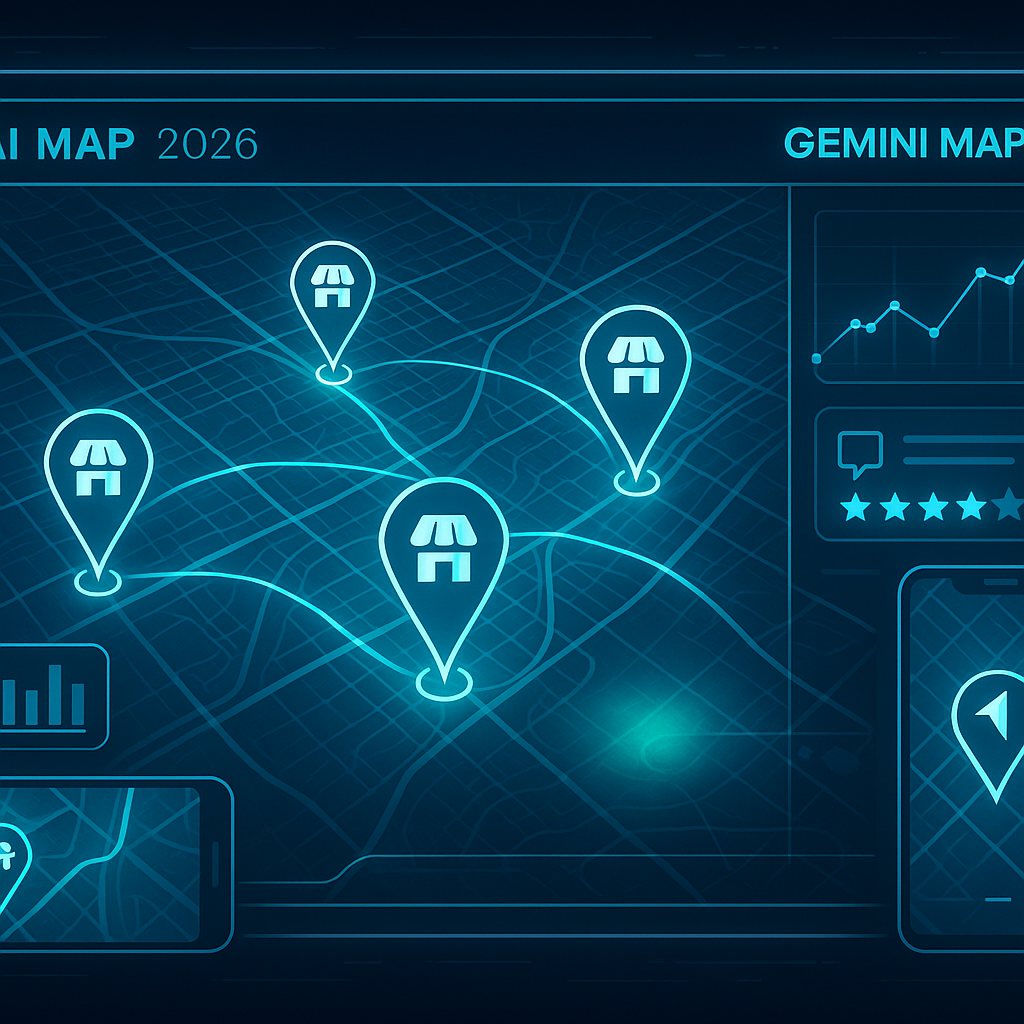
Local SEO in 2026 feels less like a checklist and more like a chess match. Every move matters. Every listing, review, map pin, and citation shifts visibility in ways that are subtle - until they’re not. Here’s the reality: businesses that treat local search like a static directory listing are fading into digital background noise. Meanwhile, brands integrating Gemini Maps are showing up exactly where customers are looking. And that changes everything. ## Why Local SEO Feels Different in 2026 Search behavior has evolved. People don’t just "Google it" anymore. They ask voice assistants. They use predictive map suggestions. They rely on AI-curated local panels that anticipate needs before a search is even finished. Gemini Maps integration sits at the center of that shift. Instead of reacting to search queries, businesses now position themselves inside an intelligent location ecosystem. It’s proactive visibility rather than passive indexing. If you ask many SEO professionals, they’ll tell you this is the biggest local discovery shift since mobile search took over desktops. And honestly? They’re right. ### The New Local Search Stack In 2026, effective local SEO includes: - Gemini Maps data synchronization - AI-enhanced business descriptions - Real-time inventory mapping - Structured review sentiment tagging - Location-based schema layering It sounds technical. It is technical. But underneath all that complexity is something simple - relevance tied to proximity. Gemini Maps doesn’t just display businesses. It interprets them. ## What Gemini Maps Integration Actually Does Think of traditional map listings as paper maps pinned to a corkboard. Static. Informational. Useful, but limited. Gemini Maps? That’s a living city grid with traffic flowing through it in real time. Integration means: 1. Syncing operational data directly with the map interface. 2. Feeding AI contextual signals about services and specialties. 3. Aligning structured data with predictive search intent. 4. Connecting behavioral insights with geographic trends. Suddenly, local SEO becomes dynamic. A coffee shop isn’t just "open now." It becomes "popular for remote workers on weekday mornings." A repair service isn’t just "nearby." It’s "recommended for emergency fixes within a five-mile radius based on recent reviews." That specificity wins attention. ## Scaling Local SEO - The Real Challenge One location is manageable. Ten locations? That’s coordination. Fifty or more? That’s operational chaos waiting to happen. Scaling local SEO with Gemini Maps integration requires systems, not guesswork. ### Step 1 - Centralize Location Data Every address, service description, operating hour, and image must stay consistent. Inconsistent NAP data - name, address, phone - still kills rankings. Yes, even in 2026. Scaling starts with a unified dashboard that distributes updates instantly across map ecosystems. Without it, teams waste hours correcting mismatches that AI systems interpret as credibility gaps. ### Step 2 - Optimize for AI Interpretation Search engines now read context like a human skimming a review. Instead of stuffing keywords like "best dentist in Austin," optimization focuses on clarity: - Service categories clearly defined - Natural language descriptions - Structured markup - Accurate service area boundaries When Gemini Maps scans business data, it evaluates semantic alignment. If descriptions are vague, rankings drift. Precision matters. ### Step 3 - Leverage Behavioral Data Here’s where scaling gets interesting. Gemini Maps tracks engagement patterns - direction requests, dwell time, peak visit windows. Smart businesses use that information to refine local content and promotions. For example, if data shows late-evening traffic spikes, updating hours or running location-based ads during that window strengthens relevance signals. It’s not manipulation. It’s adaptation. ## A Quick Micro-Story from the Field A regional home services company expanded from 8 to 42 locations in under two years. Rankings initially tanked. Listings conflicted. Reviews scattered across profiles. Visibility fractured. After integrating Gemini Maps with a centralized SEO framework, something shifted. Within four months: - Direction requests increased by 37% - Local pack appearances doubled - Call conversions rose sharply in high-density areas Nothing magical happened. They simply aligned structured data, reviews, and mapping signals under one scalable system. Sometimes growth doesn’t fail because demand disappears. It fails because infrastructure lags behind expansion. ## The Role of Automation in 2026 Local SEO Manual updates are the enemy of scale. Automation tools now: - Push real-time updates to map listings - Monitor review sentiment automatically - Flag inconsistencies in service categories - Track competitor proximity shifts Platforms like rapidwombat.com are helping multi-location brands streamline integration workflows without drowning marketing teams in spreadsheets. And that’s the key - efficiency without sacrificing nuance. Automation should feel like cruise control, not autopilot without supervision. ## Common Mistakes When Scaling with Gemini Maps Not every integration succeeds. In fact, many fail quietly. ### Over-Optimization Trying to force keywords into map descriptions backfires. AI systems recognize unnatural patterns instantly. ### Ignoring Reviews Gemini Maps weights sentiment heavily. Businesses that neglect review management lose local visibility even with perfect technical setup. ### Inconsistent Categories A plumbing company labeled differently across regions confuses search engines. Consistency fuels trust. ### Forgetting Mobile UX Most map interactions happen on mobile devices. If landing pages load slowly or lack clear calls-to-action, traffic evaporates. Scaling isn’t just about showing up. It’s about converting when someone taps your listing. ## Advanced Strategies for 2026 Now for the part most blogs skip. ### Hyperlocal Content Mapping Instead of one generic service page, high-performing brands create micro-location content clusters tied to Gemini Maps zones. Each cluster aligns with: - Neighborhood identifiers - Local landmarks - Service radius signals - Event-based search trends That layering reinforces geographic authority. ### AI Review Summaries Gemini Maps increasingly surfaces AI-generated summaries. Businesses optimizing review language - encouraging descriptive feedback - influence how those summaries appear. More detail equals stronger thematic relevance. ### Predictive Demand Modeling By analyzing engagement spikes within map data, brands forecast demand shifts. Seasonal businesses benefit enormously. Snow removal services, for example, adjust map descriptions before winter storms hit. Preparation beats reaction. ## Measuring Success - What Actually Matters Vanity metrics won’t cut it anymore. Focus on: 1. Direction requests growth 2. Call click-through rates 3. Local pack visibility across zip codes 4. Engagement duration on mapped listings 5. Conversion rates from map-origin traffic Traffic alone doesn’t tell the story. Intent does. Have you noticed how often people searching locally are ready to act immediately? That urgency makes local SEO one of the highest ROI channels when executed correctly. ## The Bigger Picture Gemini Maps integration isn’t just another tactic. It represents a broader shift toward AI-assisted discovery. Search is no longer a straight line from query to website. It’s a layered experience combining maps, reviews, structured data, and predictive recommendations. Businesses that embrace this complexity scale faster. Those that ignore it drift quietly out of sight. If you ask seasoned digital strategists where local SEO is heading next, most will point toward deeper AI-map integration, real-time data streams, and tighter behavioral alignment. That future isn’t theoretical. It’s already unfolding. Scaling local SEO in 2026 demands clarity, consistency, and intelligent automation. It requires thinking beyond listings and toward ecosystems. Because in the end, visibility isn’t about being everywhere. It’s about being exactly where someone is looking - at precisely the right moment.