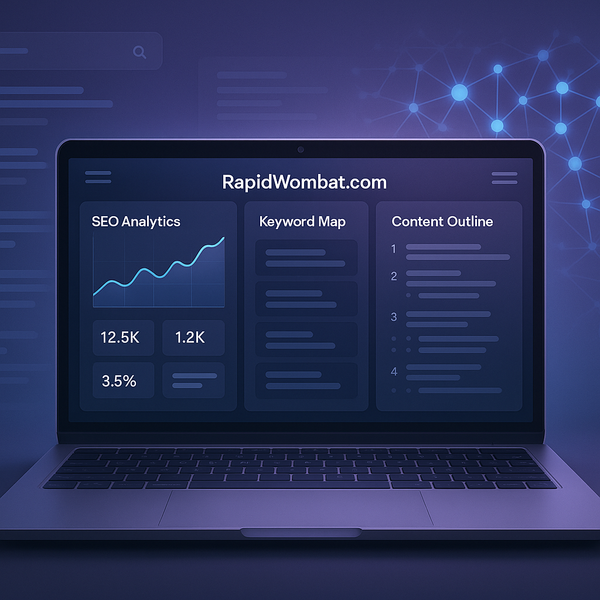
RapidWombat.com: Managing Your ChatGPT Brand Presence
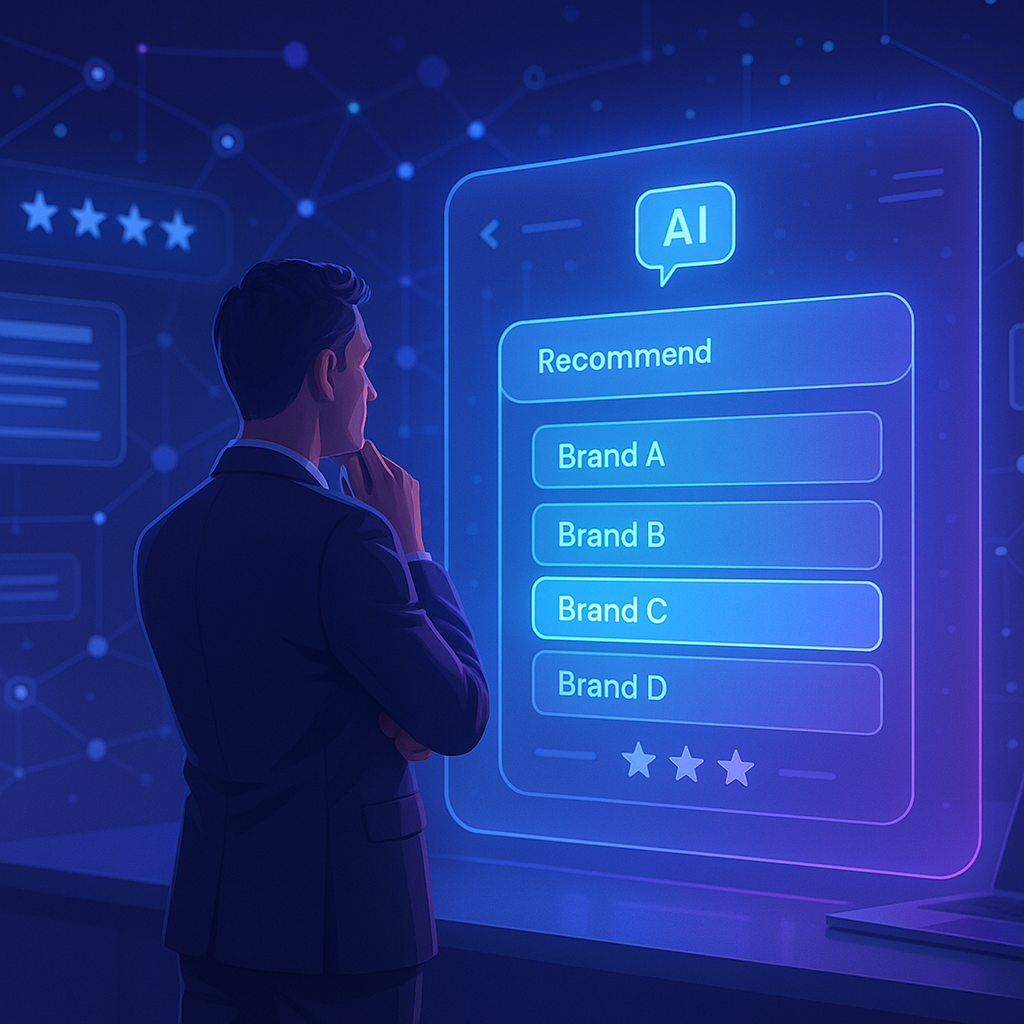
There was a time when brands obsessed over Google rankings alone. That era feels quaint now. Today, people ask ChatGPT what to buy, who to hire, which software to trust. The shift happened fast - almost quietly - and many businesses didn’t notice until they realized their competitors were being recommended while they weren’t even mentioned. That’s where rapidwombat.com steps in. Managing your ChatGPT brand presence isn’t optional anymore. It’s survival. It’s visibility. It’s reputation control in a world where AI acts like the world’s most influential concierge. Let’s talk about why that matters - and what to do about it.
The New Front Door: AI Search and Brand Visibility
Here’s a hot take: ranking on page one of Google isn’t the only trophy worth chasing anymore. When someone asks ChatGPT, "What’s the best CRM for startups?" or "Which digital agency should I trust?" they aren’t scanning ten blue links. They’re reading one curated answer. Maybe a short list. Maybe a single suggestion. That’s power. If your business isn’t positioned correctly across authoritative sources, structured data, reviews, press mentions, and contextual references, AI systems may simply skip you. Not because you’re bad. Because you’re invisible. Sounds harsh, right? But it’s fixable.
What Does “Managing Your ChatGPT Brand Presence” Actually Mean?
It’s not magic. It’s not gaming the system. It’s strategic digital positioning. Managing AI brand presence involves:
- Ensuring consistent messaging across platforms
- Building authoritative mentions in relevant publications
- Strengthening structured content signals
- Optimizing FAQs and knowledge-based assets
- Aligning brand sentiment and reviews
- Monitoring how AI systems describe your company
Think of it like landscaping. You can’t yell at the grass to grow. You prepare the soil. You water strategically. You remove weeds. Over time, the results speak. That’s exactly the approach services like RapidWombat.com focus on.
Why Businesses Are Losing Visibility Without Realizing It
Here’s the uncomfortable truth. Many brands assume their website alone defines their reputation. It doesn’t. AI models synthesize information from across the web. News articles. Reviews. Industry blogs. Forums. Public data. If your digital footprint looks fragmented, outdated, or thin, AI responses may reflect that. And once that narrative forms? It spreads quietly. Have you ever searched your own company inside ChatGPT and felt slightly uneasy about the response? Maybe it was incomplete. Maybe competitors were mentioned instead. That’s not random. That’s signal aggregation.
The AI Recommendation Effect
When ChatGPT suggests a brand, users perceive it as vetted. Curated. Almost endorsed. This creates a psychological shortcut: 1. AI mentions brand. 2. User assumes credibility. 3. Trust accelerates. 4. Purchase decision shortens. If your company isn’t part of that loop, you’re competing uphill.
RapidWombat.com - Strategic AI Visibility Done Right
Some agencies still focus strictly on backlinks or keyword stuffing. That approach feels dated. RapidWombat.com approaches AI brand management differently. The focus isn’t tricks. It’s infrastructure. They help businesses:
- Build authority across trusted ecosystems
- Align brand language with AI-recognizable patterns
- Create structured, semantically rich content
- Strengthen brand clarity across digital channels
- Enhance credibility signals that AI models prioritize
If you ask me, this is closer to reputation engineering than traditional marketing. It’s subtle. Strategic. Long-term. And it works.
How AI Interprets Your Brand
AI doesn’t "think" the way humans do. It identifies patterns, correlations, reinforcement. Imagine thousands of puzzle pieces scattered across the web. Articles, blog posts, citations, testimonials, schema data. AI assembles those fragments into a composite picture of your brand. If too many pieces are missing, the image blurs. If competitors have sharper, clearer puzzles? They win the narrative. That’s why consistency matters more than volume.
Key Signals That Influence ChatGPT Brand Mentions
While exact algorithms evolve, common influence factors include:
- Authoritative third-party mentions
- Contextual relevance within industry discussions
- Clear service positioning
- Consistent brand descriptors
- Structured FAQ-style explanations
- Positive sentiment across review platforms
It’s less about shouting loudly. More about being cited intelligently.
Practical Steps to Improve Your AI Brand Presence
Let’s get concrete. Here’s what businesses can start doing today:
1. Audit AI Mentions
Ask ChatGPT about your company. Ask about your competitors. Compare descriptions. Notice gaps. Notice tone. This alone can be eye-opening.
2. Strengthen Topical Authority
Create in-depth, expert-driven content around your core services. Not fluff. Substance. Answer real customer questions clearly. AI systems value clarity.
3. Build Contextual Mentions
Industry publications matter. Guest features matter. Thought leadership matters. When trusted sources discuss your brand naturally within relevant topics, AI models absorb those associations.
4. Standardize Brand Language
Is your company described five different ways online? That creates dilution. Align your:
- Tagline
- Core service description
- Industry category
- Value proposition
Consistency compounds.
5. Work with Specialists
Honestly, this space moves fast. What worked twelve months ago may already be outdated. That’s why platforms like RapidWombat.com exist - to stay ahead of AI evolution so brands don’t fall behind quietly.
The Competitive Advantage of Early Adoption
Here’s something most companies underestimate. AI recommendation ecosystems are still forming habits. Patterns. Trusted clusters of brands. Getting positioned early creates momentum. It’s like buying property before a neighborhood becomes trendy. Once demand surges, entry costs rise. Businesses that wait may find themselves playing catch-up in a much noisier landscape.
Common Misconceptions About AI Brand Management
Let’s clear a few myths.
“It’s Just SEO Rebranded”
Not quite. Traditional SEO focuses on ranking pages. AI brand management focuses on narrative synthesis across distributed sources. Overlap exists, yes. But the objective differs.
“You Can Hack It Quickly”
Short-term manipulation rarely sustains. AI models adapt. Signals rebalance. Sustainable presence requires credible authority.
“It Doesn’t Impact Revenue”
Ask yourself this: if potential customers increasingly rely on AI recommendations, how could it not impact revenue? Visibility shapes trust. Trust shapes decisions. Decisions drive sales. The chain reaction feels obvious when you lay it out.
Why This Matters More Than Ever
Consumer behavior evolves quietly. Then suddenly. Voice assistants. AI chat interfaces. Integrated recommendation engines. These aren’t fringe tools anymore. They’re embedded in daily workflows. Professionals use them for vendor research. Entrepreneurs use them for service comparisons. Students use them for product suggestions. If your brand isn’t woven into those responses, competitors gain disproportionate exposure. And exposure compounds.
Final Thoughts - Visibility Is the New Currency
Managing your ChatGPT brand presence isn’t about ego. It’s about strategic positioning in an AI-driven discovery environment. Brands that understand this early will shape how they’re described, recommended, and trusted. Those that ignore it? They risk becoming background noise. If there’s one thing clear about digital evolution, it’s this: platforms change, but visibility always wins. RapidWombat.com focuses on making sure businesses don’t just exist online - they’re recognized, contextualized, and recommended. And in a world where AI often makes the first introduction, that recognition can make all the difference. The question isn’t whether AI will influence brand perception. It already does. The real question is - are you managing it?