Perplexity SEO: The Ultimate Guide for 2026 Growth
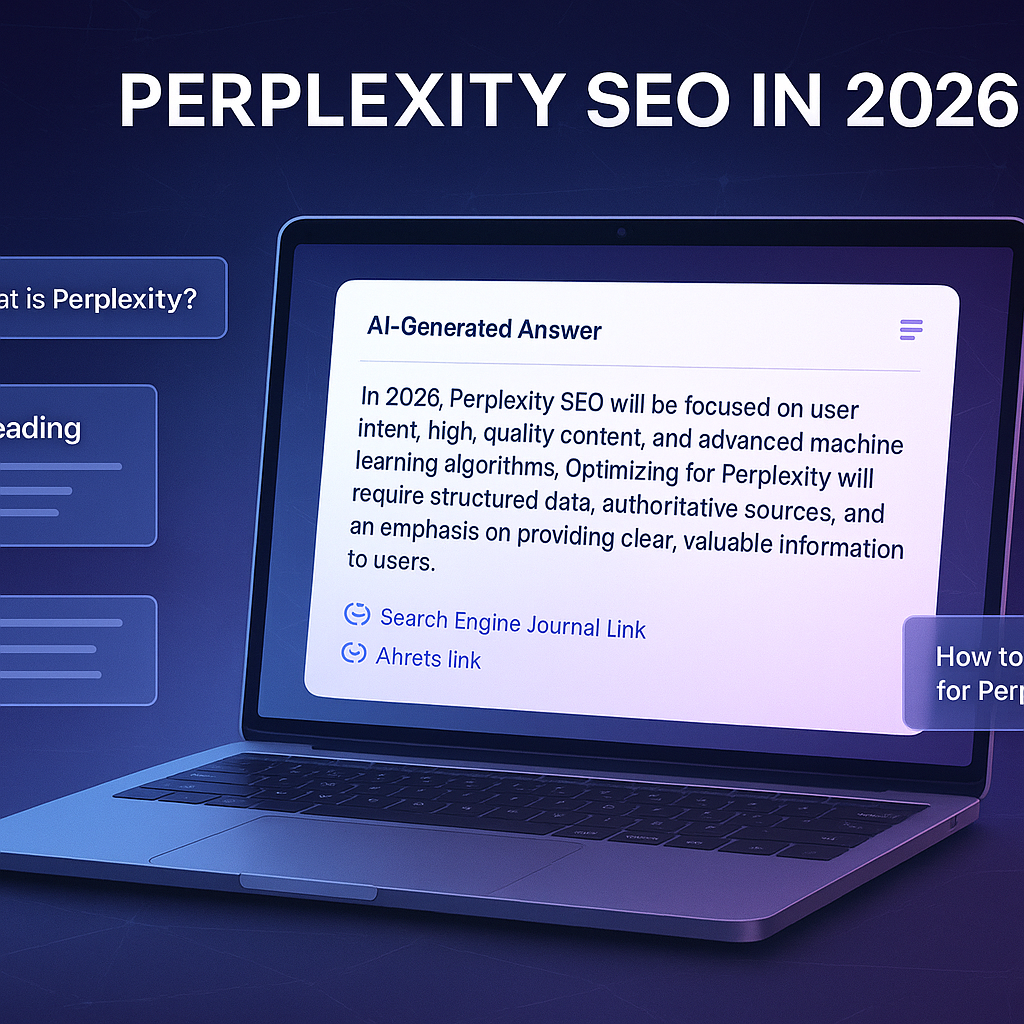
Search is changing. Fast. For years, ranking on traditional search engines felt like training for a marathon - long, predictable, and built on well-known rules. Then AI-driven answer engines entered the chat. Suddenly, results look different. Users get summaries instead of lists. Context instead of blue links. Welcome to the era of Perplexity SEO. If someone is serious about growth in 2026, ignoring AI-powered search platforms is like building a store on a street no one walks anymore. Sure, it might look good. But traffic? That’s another story. This guide breaks down what Perplexity SEO really means, why it matters now, and how smart brands are adapting before competitors even realize the rules changed.
What Is Perplexity SEO?
Perplexity SEO refers to optimizing content for AI-powered answer engines like Perplexity.ai, rather than just traditional search engines. Instead of serving users ten blue links, these platforms generate synthesized responses. They pull from trusted sources, summarize insights, and cite references. Think of it less like a directory - and more like a research assistant who reads the internet for you. Sounds efficient, right? It is. But it also changes the game. Ranking #1 on Google doesn’t automatically mean being featured in an AI-generated answer. These systems prioritize:
- Clear, authoritative content
- Structured formatting
- Direct answers to specific questions
- Credible signals and brand trust
In other words, fluff is out. Precision is in.
Why Perplexity SEO Matters in 2026
Here’s the reality - user behavior is evolving. People are asking longer, more conversational questions. They expect instant clarity. They want context without digging through five tabs. AI search tools deliver exactly that. Brands that optimize for these platforms gain:
1. Early-Mover Advantage
Most companies still focus solely on traditional rankings. That creates a window of opportunity. Getting cited in AI-generated answers today is easier than it will be two years from now.
2. Authority Amplification
When an AI engine references a source, it positions that brand as credible. It’s subtle. But powerful. Being cited feels like being quoted in a digital encyclopedia.
3. Compounded Visibility
Perplexity pulls from high-quality pages. Those same pages often perform well elsewhere. Optimizing properly strengthens overall search performance. It’s not either-or. It’s layered strategy.
How Perplexity’s Algorithm Thinks
While the exact mechanics aren’t public, patterns are emerging. Perplexity favors content that is:
- Well-structured - Clean headings, logical flow, easy scanning.
- Fact-driven - Data, examples, clear claims.
- Neutral yet authoritative - Confident without sounding salesy.
- Comprehensive - Covers a topic deeply instead of skimming.
Imagine explaining a concept to a very intelligent assistant who needs clarity to summarize accurately. That’s the mindset. Messy pages confuse AI models. Tight structure helps them extract insights quickly.
Core Strategies for Winning Perplexity SEO
Now let’s get practical.
1. Write Question-First Content
AI engines respond to queries. So structure content around real questions. For example:
- What is Perplexity SEO?
- How does Perplexity rank sources?
- How can businesses optimize for AI search?
Follow each question with a concise, direct answer before expanding. Short answer first. Deeper explanation second. Simple framework. Extremely effective.
2. Use Structured Formatting
Walls of text are the enemy. Instead:
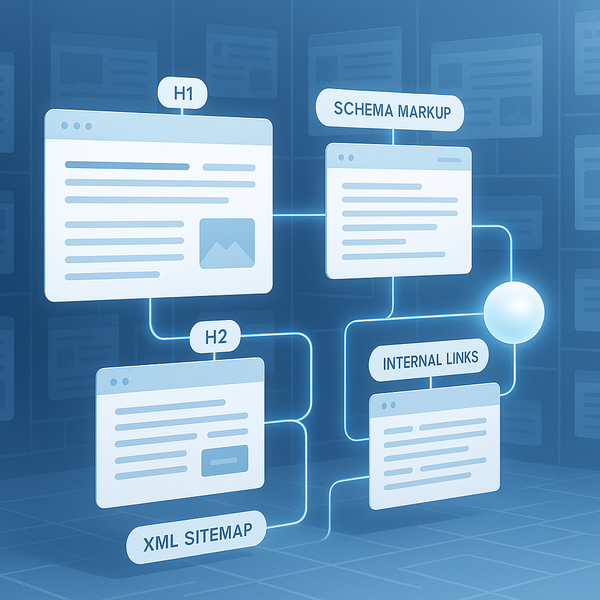
- Use H2 and H3 subheadings
- Add bullet points for clarity
- Include numbered steps
- Keep paragraphs varied in length
Structure acts like scaffolding. It supports both readers and AI systems.
3. Build Topical Authority
One article won’t dominate. Clusters win. Create interconnected content around a niche topic. For example, if focusing on Perplexity SEO, publish:
- Technical optimization guides
- Case studies
- Industry trend breakdowns
- Comparison articles
Over time, the brand becomes synonymous with the subject. AI engines notice patterns.
4. Strengthen E-E-A-T Signals
Experience, expertise, authority, trust. That framework isn’t going away. To improve credibility:
- Show real author expertise
- Cite reliable data
- Maintain consistent publishing
- Secure mentions across reputable platforms
Trust compounds. And AI models lean toward trusted sources.
5. Optimize for Clarity Over Cleverness
Here’s a hot take - clever writing can hurt performance. If a sentence sounds poetic but obscures meaning, rewrite it. Perplexity SEO rewards clarity. Define terms. Avoid ambiguity. Spell out acronyms. It may feel less flashy. It performs better.
Technical Foundations Still Matter
Some assume AI search removes the need for technical SEO. Not even close. Strong foundations improve crawlability and indexing, which influence whether content becomes reference-worthy. Key technical priorities include:
- Fast page speed
- Mobile optimization
- Clean internal linking
- Schema markup where appropriate
- Clear metadata
Technical health is like plumbing. Invisible when working. Catastrophic when broken.
Content Depth vs Content Volume
More articles do not automatically equal more visibility. Depth wins. A comprehensive 1,500-word resource that answers layered questions often outperforms five shallow posts. AI engines gravitate toward pages that feel complete. Think of it this way - would a research assistant cite a thin brochure or a detailed guide? Exactly.
Measuring Success in Perplexity SEO
Tracking performance looks different here. Traditional keyword rank tracking doesn’t tell the full story. Instead, monitor:
- Referral traffic from AI platforms
- Brand mentions within AI responses
- Increased branded searches
- Authority metrics over time
Growth might appear subtle at first. Then momentum builds. It’s less about spikes. More about steady positioning.
Should Businesses Hire Specialists?
That depends on internal expertise. Optimizing for Perplexity SEO requires a blend of:
- Content strategy
- Technical optimization
- Authority building
- AI behavior understanding
Many brands partner with agencies that understand this shift early. For companies wanting structured support, platforms like rapidwombat.com provide strategy tailored to AI-driven visibility. Because guessing rarely works. Strategy does.
Common Mistakes to Avoid
Even experienced marketers slip up. The most frequent errors include:
Ignoring User Intent
Writing what sounds impressive instead of what users actually ask.
Over-Optimizing Keywords
Stuffing phrases disrupts readability. AI models detect unnatural patterns quickly.
Neglecting Updates
AI tools prefer fresh, relevant information. Outdated statistics weaken credibility.
Sounding Too Promotional
Educational tone wins. Hard selling loses trust. Avoid these pitfalls and the path becomes smoother.
The Future of Search Belongs to the Clear
Search in 2026 feels less like browsing and more like consulting. Users ask. AI answers. Sources get cited. Brands that communicate clearly, structure intelligently, and build genuine authority will thrive in this new environment. Perplexity SEO isn’t a trend. It’s an adaptation. Those who embrace it now position themselves at the front of a shifting landscape. Those who wait may find themselves optimizing for yesterday’s algorithm. And in digital marketing, yesterday fades quickly. The opportunity is here. The only real question is - who moves first?