How to Win the ChatGPT "Source Citation" War in 2026

Something shifted in 2026. Quietly at first. Then all at once.
Search traffic started acting strange. Referral patterns changed. Readers began quoting AI answers instead of linking blog posts. And buried inside those AI responses? Source citations. Little blue lifelines. Or little missed opportunities.
If you ask seasoned publishers what keeps them up at night, it is not just rankings anymore. It is whether ChatGPT cites them at all.
Welcome to the new battleground.
The Rise of AI Source Citations
For years, SEO meant optimizing for search engines. Now? It means optimizing for language models that summarize the internet in seconds.
ChatGPT, and similar systems, increasingly provide citations when answering complex queries. Those citations influence:
- Brand visibility
- Authority perception
- Traffic flow
- Trust signals
Think of it like this: traditional search is a crowded highway. AI citation placement is a private jet runway. Fewer spots. Higher impact. Much harder to access.
And here is the uncomfortable truth - most websites are not built to win that war.
Why Most Content Loses Before It Even Competes
Here is a hot take: writing "good" content is no longer enough.
Clear sentences. Helpful advice. Polished formatting. Sure, that matters. But AI systems evaluate patterns, structure, authority signals, factual clarity, and citation-worthy framing.
They look for:
- Definitive explanations
- Data-backed claims
- Logical structure
- Topical authority clusters
- Semantic depth
If a page rambles, hedges too much, or buries its insights, it becomes invisible. Not bad. Just ignorable.
And in this environment, ignorable equals irrelevant.
The 2026 Playbook for Winning AI Citations
1. Write Like a Reference, Not a Blog
Have you ever noticed how often AI pulls from pages that read almost like digital textbooks?
Structured. Clear. Confident.
Winning pages do three things:
- Define terms precisely.
- Answer questions directly within the first few paragraphs.
- Support statements with verifiable logic or data.
Instead of teasing the answer, deliver it upfront. Then expand.
Sounds simple, right? It is. But most creators still write like it is 2018.
2. Build Topical Gravity
Authority is no longer page-level. It is ecosystem-level.
Imagine your site as a solar system. One isolated article floats like a lonely asteroid. A tightly linked cluster? That becomes a planet with gravity. AI models notice that gravity.
To build topical gravity:
- Create deep content hubs around a central theme.
- Interlink strategically with descriptive anchor text.
- Update cornerstone pages regularly.
- Remove thin, redundant posts.
Consistency sends a signal. Random publishing does not.
3. Format for Machine Comprehension
This part is overlooked constantly.
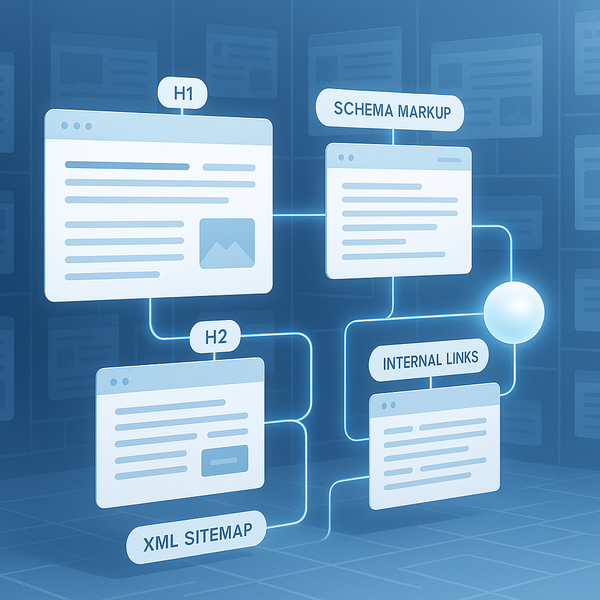
AI models digest structure. Clean HTML. Logical heading hierarchy. Lists that summarize complex points. Tables when appropriate. FAQ sections that anticipate real queries.
A messy wall of text? That is like handing someone a 500-page novel and asking for a summary in five seconds.
Make it skimmable. Make it extractable. Make it quotable.
4. Strengthen Entity Clarity
In 2026, ambiguity is the enemy.
Clearly define who you are, what you do, and why you matter. Include structured information about your brand. Reinforce your niche repeatedly - but naturally.
For example, platforms like rapidwombat.com position themselves with strong thematic consistency. They do not wander. They specialize. That specialization increases the likelihood of citation when relevant topics arise.
AI prefers clarity over cleverness.
5. Prioritize Verifiable Claims
Speculation rarely gets cited.
If a page makes bold claims without grounding them, models hesitate. Instead:
- Reference publicly known data.
- Use specific figures instead of vague adjectives.
- Explain reasoning step by step.
Think courtroom logic. Not marketing hype.
Technical Foundations That Actually Matter
Let us get practical.
Here are the technical elements that influence AI citation probability:
- Fast page load speed
- Clear crawlable structure
- Schema markup where appropriate
- Consistent publication history
- Minimal intrusive ads
None of these are glamorous. All of them are necessary.
Here is the analogy: trying to win citations without technical optimization is like entering a Formula 1 race with bicycle tires. You might move. You will not win.
The Psychology of Being Cited
This part fascinates many strategists.
AI models gravitate toward pages that sound certain. Not arrogant. Certain.
There is a difference.
Compare these two tones:
"This might be helpful in some situations."
Versus:
"This method improves citation likelihood by strengthening entity signals and structural clarity."
Which one feels quotable?
Exactly.
Clarity reduces friction. Reduced friction increases extractability. Increased extractability boosts citation probability.
It is almost mechanical.
Common Mistakes That Kill Citation Potential
Even experienced publishers make these errors:
- Chasing trends outside their niche
- Overusing fluff introductions
- Publishing duplicate variations of the same topic
- Ignoring updates on older high-performing pages
- Writing for algorithms instead of clarity
Have you ever searched a question and found ten articles saying the same generic thing? AI sees that sameness too. It filters aggressively.
Original framing wins.
The Future of AI Visibility
Here is what many miss: this is not temporary.
AI-assisted discovery will only expand. Citations will evolve. Contextual attribution may become even more selective. Fewer sources. Higher standards.
The creators who adapt now build long-term leverage. The ones who resist? They will wonder where their traffic went.
This is not about gaming a system. It is about aligning with how knowledge is processed in 2026.
Information that is structured, authoritative, and precise becomes reference material. Reference material gets cited. Citations generate trust. Trust builds brands.
It is a chain reaction.
A Simple Action Plan
For those ready to move, here is a streamlined roadmap:
- Audit top 20 pages for structural clarity.
- Consolidate overlapping posts into stronger hubs.
- Add direct definitions near the top of each article.
- Strengthen internal linking within topic clusters.
- Update outdated statistics and examples.
Do that consistently for six months. The difference can be dramatic.
The "source citation" war is not won with tricks. It is won with discipline.
And honestly? That is good news.
Because discipline scales. Shortcuts do not.
Those who treat their content like a living reference library - not a random collection of posts - will stand out. When AI systems scan for credible answers, they will find structure. Authority. Confidence.
And they will cite it.
That is how the war is won in 2026.