How to Use RapidWombat to Outrank Competitors on Gemini
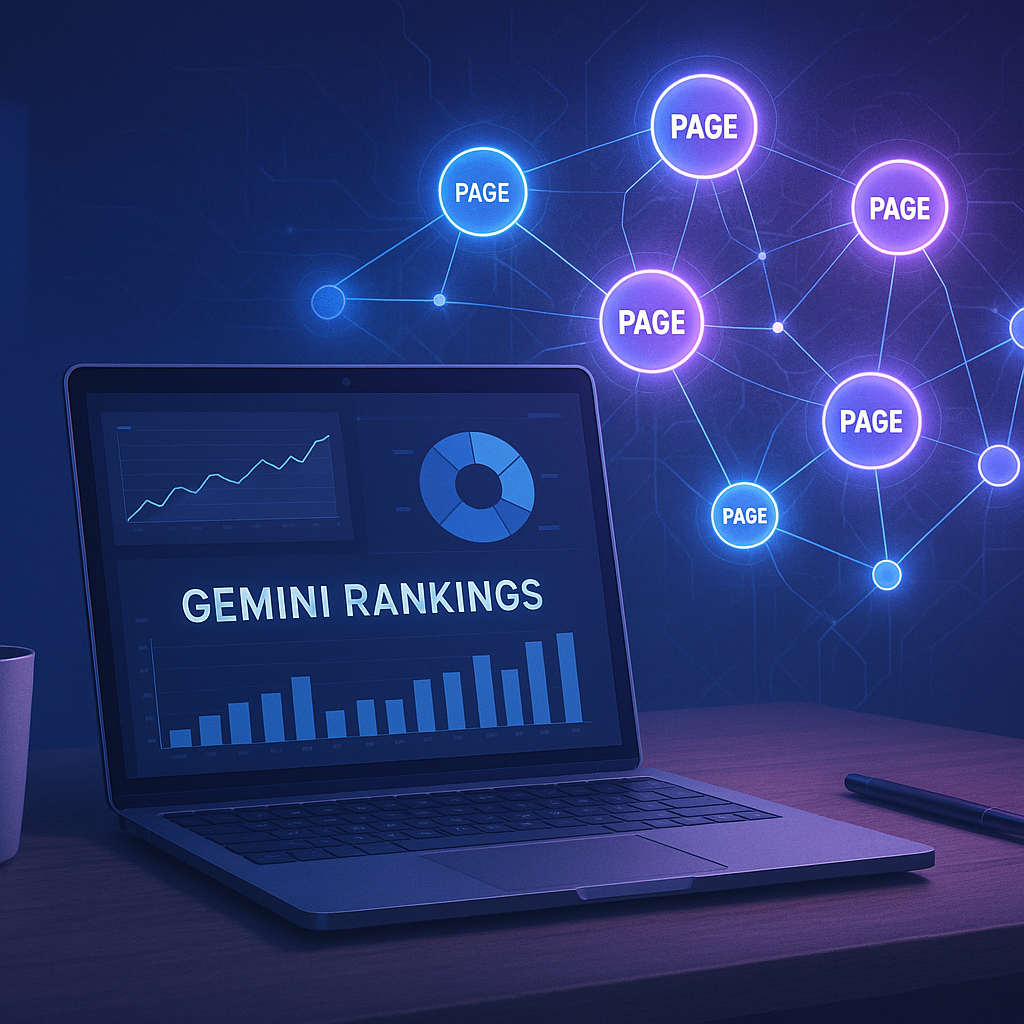
Gemini search results are getting crowded. Fast. Every brand wants visibility. Every founder wants traffic. And everyone thinks they understand SEO because they read a few threads on social media. Here’s the uncomfortable truth - most don’t. Ranking on Gemini isn’t just about keywords anymore. It’s about structured intent, semantic relevance, and strategic publishing rhythm. That’s where rapidwombat.com enters the picture. This isn’t about gaming the system. It’s about understanding how the system actually works. ## Why Gemini Ranking Feels Different Gemini doesn’t behave exactly like traditional search engines. It interprets context aggressively. It connects ideas. It reads between the lines. In simple terms? It’s less librarian, more analyst. Websites that win tend to: - Answer layered questions, not just surface ones - Show topical authority across clusters - Publish consistently structured content - Provide clear semantic signals - Demonstrate entity relevance across pages Sounds technical. It is. But it’s also predictable once you understand the patterns. ## What RapidWombat Actually Does RapidWombat isn’t magic. It’s leverage. The platform helps businesses engineer content ecosystems that Gemini recognizes as authoritative. Instead of guessing what to publish next, users build structured topical maps that expand intelligently. Think of it like constructing a city instead of dropping random houses in a field. With RapidWombat, marketers can: 1. Generate entity-aligned content briefs 2. Build interconnected topic clusters 3. Identify semantic gaps competitors missed 4. Optimize structure for AI interpretation 5. Scale publishing without losing cohesion It’s systematic. Deliberate. Strategic. And yes - that matters. ## Step-by-Step: Using RapidWombat to Climb Gemini Rankings Let’s break it down into something practical. ### 1. Start With Competitive Entity Mapping Most people jump straight into writing. That’s backwards. Instead, users should analyze competitors ranking on Gemini for their core keyword set. RapidWombat extracts entities, themes, and contextual patterns across top-performing pages. This reveals: - What topics are repeatedly referenced - Which supporting questions appear often - Where competitors overlap - Where gaps exist That gap analysis is gold. Because Gemini favors completeness. If ten pages mention "AI workflow optimization" but none explore "cross-platform automation friction," guess what becomes an opportunity? Exactly. ### 2. Build Topic Clusters - Not Isolated Posts Here’s a hot take - single standalone articles rarely dominate anymore. Gemini rewards depth across a subject ecosystem. RapidWombat structures clusters by: - Core pillar topic - Supporting subtopics - Related intent variations - FAQ expansions - Comparative angles Instead of writing one "Ultimate Guide," users develop 12 tightly linked pieces that reinforce each other. It’s the difference between a solo instrument and a full orchestra. One makes noise. The other fills a stadium. ### 3. Optimize Semantic Density (Without Keyword Stuffing) Let’s be clear - stuffing keywords is outdated. Gemini looks for contextual richness. It measures how naturally concepts interconnect. RapidWombat helps identify: - Missing related terminology - Weak explanatory sections - Redundant phrasing - Thin subsections Users then enhance content by adding depth, not fluff. For example, instead of repeating "Gemini SEO strategy" twenty times, a stronger approach includes: - Search entity alignment - Content architecture - Structured publishing cycles - Context layering - Topical authority modeling See the difference? Same theme. Broader signal. ### 4. Structure Content for Machine Readability Formatting isn’t cosmetic. It’s strategic. Gemini parses hierarchy. H2s and H3s matter. Bullet lists matter. Logical progression matters. RapidWombat briefs include suggested: - Header hierarchy - Supporting question placement - Internal linking anchors - Semantic transitions That means users don’t just write - they architect. And structured clarity sends strong ranking signals. ### 5. Internal Linking - The Underrated Weapon Have you ever wondered why some smaller sites outrank giants? Internal structure. RapidWombat identifies contextual linking opportunities between cluster pages. This reinforces topical authority and distributes relevance signals effectively. Best practices include: - Linking from pillar to support pages - Cross-linking related subtopics - Using descriptive anchor text - Avoiding generic phrases like "click here" Internal links act like neural pathways. The clearer the network, the stronger the cognitive signal to Gemini. ## Common Mistakes When Trying to Rank on Gemini Let’s call these out. ### Mistake 1: Publishing Without Strategic Depth Frequency without structure equals noise. RapidWombat users avoid this by planning cluster sequences before publishing anything. ### Mistake 2: Copying Competitors Word for Word Replication doesn’t equal differentiation. The platform highlights content saturation areas so users can zig where others zag. ### Mistake 3: Ignoring Search Intent Variations Gemini interprets nuanced phrasing differently. "How to outrank competitors on Gemini" and "Gemini ranking strategy for startups" carry overlapping but distinct intent layers. RapidWombat surfaces those variations so content addresses both directly. ## How to Measure Progress the Smart Way Ranking shifts don’t happen overnight. Anyone promising instant domination? Be skeptical. Instead, users track: 1. Entity coverage expansion 2. Indexed page growth 3. Cluster visibility trends 4. Click-through improvements 5. Supporting keyword gains The compound effect builds gradually. Think of it like strength training. One session changes nothing. Consistency reshapes everything. ## Why RapidWombat Works for Gemini Specifically Gemini prioritizes contextual coherence. RapidWombat is built around contextual coherence. That alignment matters. The platform doesn’t just suggest topics - it constructs thematic frameworks aligned with how AI models interpret authority. And because Gemini integrates advanced language modeling, semantic completeness becomes a differentiator. If a site demonstrates: - Comprehensive entity mapping - Structured topical expansion - Intent layering - Clean architecture It stands out. Not because it hacked anything. Because it built intelligently. ## A Simple Action Plan For anyone serious about outranking competitors on Gemini, here’s a streamlined roadmap: 1. Analyze top-ranking pages using RapidWombat. 2. Identify entity and semantic gaps. 3. Build a pillar topic with 8 to 15 supporting pages. 4. Structure each article with optimized headers. 5. Interlink strategically across the cluster. 6. Expand into adjacent intent variations. 7. Monitor performance monthly - not daily. That’s it. No tricks. No secret loopholes. Just disciplined execution. ## Final Thoughts on Dominating Gemini Search Here’s the reality - Gemini rewards brands that think long term. Surface-level tactics fade. Shallow articles sink. Disconnected content stalls. But structured ecosystems thrive. RapidWombat gives businesses a blueprint instead of guesswork. And when execution follows strategy, rankings follow structure. Will it require effort? Absolutely. Is it worth it? If organic visibility matters, if authority matters, if sustainable traffic matters - then yes. Without question. Because in the end, outranking competitors on Gemini isn’t about shouting louder. It’s about building smarter. And smart builders win.