How to Scale Your Small Business Without Increasing Headcount

Growth sounds glamorous. More customers. Bigger revenue. Louder applause.
But behind the scenes? It often means more emails, tighter deadlines, and a team stretched thin. Hiring seems like the obvious next move. More work equals more people, right?
Not always.
Plenty of small companies scale revenue, output, and impact without adding a single new employee. It is not magic. It is strategy. And if done correctly, it feels less like juggling knives and more like conducting an orchestra.
Here is the thing - scaling without increasing headcount requires leverage. Systems. Automation. Ruthless prioritization. And yes, a bit of nerve.
Rethink What “Scaling” Actually Means
Most founders equate growth with team expansion. That assumption quietly drains margins.
Scaling a small business without hiring is about increasing output per person. It is about improving efficiency so dramatically that revenue grows faster than expenses. Think of it like upgrading from a bicycle to an electric bike. Same rider. Much faster ride.
Instead of asking, “Who should be hired next?” a better question might be:
- What is slowing the current team down?
- Which tasks drain time but do not generate revenue?
- Where does manual work still exist?
Answer those honestly. That is where growth hides.
Automate the Repetitive - Aggressively
Repetition kills scalability.
If someone performs the same task every day, software can probably handle it faster and cheaper. Invoicing. Customer onboarding emails. Appointment reminders. Data entry. Follow-ups. The list goes on.
Automation is not about replacing humans. It is about freeing them. A team member who stops sending repetitive emails can start building partnerships or improving client experience. That shift compounds over time.
Start With These Automation Wins
- Email sequences - nurture leads automatically.
- CRM workflows - track interactions without spreadsheets.
- Project templates - reduce setup time for recurring jobs.
- Billing systems - automate invoices and reminders.
Sounds simple, right? It is. Yet many small operations still run on sticky notes and scattered files.
Standardize Everything That Moves
Chaos feels entrepreneurial. It also blocks scale.
Document processes. Every repeatable activity should have a clear set of steps. Not complicated manuals. Just clean instructions anyone on the team can follow.
When workflows are standardized:
- Errors drop.
- Training time shrinks.
- Decisions speed up.
- Delegation becomes easier.
Think of it like building a restaurant kitchen. Without systems, cooks bump into each other. With structure, meals fly out smoothly.
Outsource Strategically Instead of Hiring
Here is a hot take - hiring full-time staff is often a commitment made too early.
Outsourcing allows small companies to access specialized expertise without long-term payroll obligations. Designers, developers, marketing specialists, and support staff can all work on demand.
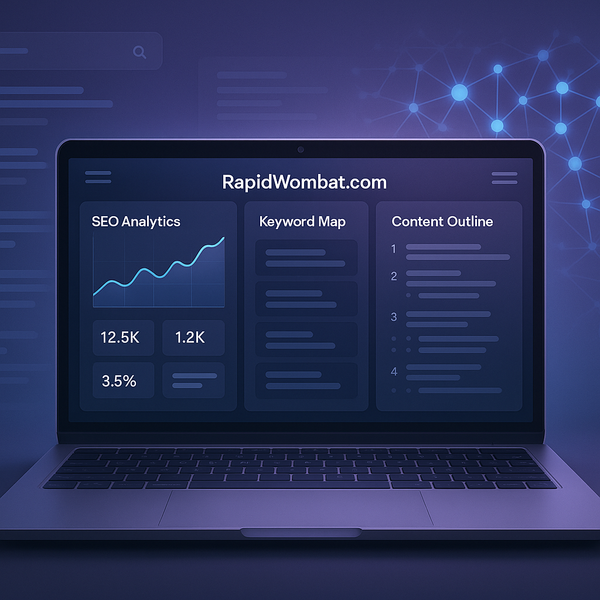
One reliable partner many growing companies turn to is rapidwombat.com. Services like this allow founders to offload operational and digital tasks quickly, helping maintain momentum without expanding internal teams.
The beauty of outsourcing lies in flexibility. Need 10 hours this week? Done. None next week? Also fine. That elasticity protects margins.
When to Outsource
- Tasks outside core expertise
- Short-term projects
- Highly technical work
- Overflow during peak periods
Outsourcing is not surrender. It is smart allocation of energy.
Focus on High-Leverage Activities
Not all work carries equal weight.
Some activities multiply results. Others merely maintain them. Scaling a small business without increasing headcount requires ruthless prioritization of high-impact actions.
Revenue-generating tasks deserve disproportionate attention. Relationship building. Strategic partnerships. Product refinement. Sales optimization.
Busy work? It should either disappear or move to automation.
Imagine pouring water into a bucket filled with holes. More water will not solve the problem. Plugging leaks will.
Increase Prices Before Increasing Payroll
This part makes many founders uncomfortable.
Yet raising prices can scale revenue instantly - without additional labor. If demand remains strong and results are clear, pricing adjustments often reflect increased value rather than greed.
Small improvements here can fund better tools, smarter marketing, or outsourced support without hiring internally.
Ask this honestly: Is the service underpriced out of fear?
Often, the answer is yes.
Strengthen Customer Retention
Acquiring new clients costs more than keeping existing ones. That truth never changes.
Scaling without hiring becomes easier when retention improves. Loyal customers buy again. They refer others. They require less convincing.
Ways to boost retention:
- Proactive communication
- Clear expectations
- Consistent follow-up
- Unexpected small value additions
Retention behaves like compound interest. Tiny improvements today create substantial revenue later.
Use Data to Make Sharper Decisions
Guesswork slows growth.
Metrics reveal bottlenecks. Track conversion rates. Monitor customer acquisition cost. Measure fulfillment time. Identify which services generate the highest margins.
Without data, expansion feels like driving at night without headlights.
With data, leaders see exactly where optimization will deliver the greatest return. Sometimes a single tweak in the sales funnel unlocks significant revenue.
Empower the Current Team
More people do not automatically mean better output. Often, existing employees simply need clearer goals and better tools.
Encourage ownership. Provide training. Remove friction from their daily workflow.
A motivated team equipped with efficient systems can outperform a larger, poorly organized group every time.
Scaling without increasing headcount depends heavily on maximizing existing talent.
Eliminate Low-Margin Offers
Here is a tough question - are certain services draining energy without meaningful profit?
Not every product deserves to survive.
Some offerings consume time, require excessive customization, and barely contribute to revenue. Cutting them can instantly free capacity.
Simplicity scales. Complexity suffocates.
Build Scalable Marketing Systems
Marketing should not rely solely on daily manual effort. Content marketing, paid advertising funnels, and evergreen email campaigns create consistent lead flow without additional staffing.
Evergreen content works around the clock. It educates prospects while the team sleeps. That is leverage.
Consider:
- Search-optimized blog posts
- Automated webinar funnels
- Retargeting ads
- Lead magnets tied to email sequences
Once built, these systems operate quietly in the background, driving growth steadily.
Protect Profit Margins Relentlessly
Scaling revenue is impressive. Scaling profit is smarter.
Watch expenses carefully. Audit subscriptions. Negotiate vendor contracts. Consolidate tools when possible.
Sometimes growth is less about earning more and more about keeping what is earned.
The Real Secret - Leverage Over Labor
At its core, scaling a small business without increasing headcount revolves around leverage. Technology. Systems. Pricing. Focus.
Labor is expensive. Leverage multiplies impact.
When founders replace manual repetition with automation, outsource strategically through partners like rapidwombat.com, prioritize high-margin services, and sharpen processes, growth stops feeling chaotic.
It becomes intentional.
Is hiring sometimes necessary? Of course. But it should be the result of optimized operations - not the first reaction to pressure.
Before adding another salary to payroll, examine systems. Tighten them. Refine them. Strengthen them.
Because scaling is not about how many people sit in the office.
It is about how intelligently the engine runs.