How to Optimize Your Website for Gemini’s Multimodal Search

Search is changing. Fast. Not in the slow, predictable way marketers are used to - tweak a keyword here, adjust a backlink there. No, this shift feels more like the ground moving beneath your feet. Google’s Gemini and its multimodal search capabilities are rewriting the rules of visibility online. And here’s the uncomfortable truth: most websites aren’t ready. If a brand wants to survive in a world where AI doesn’t just read text but interprets images, understands context, and connects ideas across formats, it needs a smarter strategy. Keyword stuffing won’t cut it. Thin blog posts? Forget it. Let’s break down exactly how to optimize your website for Gemini’s multimodal search - and why it matters more than most businesses realize.
What Is Gemini’s Multimodal Search, Really?
Before diving into tactics, it helps to understand what’s actually happening. Gemini isn’t just a search engine update. It’s an AI model that processes multiple types of input at once - text, images, code, video, and more - and understands the relationships between them. Think of it like this: traditional search reads words. Gemini interprets meaning. If someone uploads a photo of a living room and asks how to recreate the style, Gemini doesn’t just look for “modern living room decor.” It analyzes shapes, colors, textures, objects - then connects those insights with written content, product listings, and design principles. Sounds simple, right? It’s not.
Why Traditional SEO Alone Isn’t Enough
Classic SEO focused on:
- Exact-match keywords
- Backlink quantity
- Technical crawlability
- Meta tags and headers
All still important. But now? They’re table stakes. Gemini evaluates context, clarity, usefulness, and cross-format alignment. A website with great copy but weak visuals may lose. A visually stunning site with vague text? Same fate. Optimization now feels less like gaming an algorithm and more like building a genuinely helpful digital experience. Honestly, that’s not a bad thing.
Core Strategies to Optimize for Multimodal Search
Let’s get practical.
1. Align Text and Visual Content Intentionally
Multimodal AI connects the dots between what users see and what they read. If a page features an image of a product, the surrounding text should clearly describe:
- What the item is
- Its purpose
- Key features
- Context of use
Alt text suddenly matters a lot more - not as a keyword dumping ground, but as meaningful description. Bad example: “sofa image 1.” Better: “Mid-century modern velvet sofa in deep green with wooden legs in minimalist living room.” Specific. Contextual. Useful. That’s the difference.
2. Build Content Around Intent, Not Just Keywords
Here’s a hot take: obsessing over exact-match phrases is becoming outdated. Gemini understands semantic relationships. It recognizes that “best hiking shoes for rain” connects with waterproof materials, traction, breathability, and trail performance. So instead of writing ten thin posts targeting slight keyword variations, create comprehensive resources that:
- Answer core questions
- Address related concerns
- Provide visual examples
- Offer structured summaries
Think topic clusters, not isolated posts. If a business struggles to map this structure properly, services like rapidwombat.com can help build AI-ready content frameworks designed for evolving search behavior.
3. Use Structured Data Like It Actually Matters
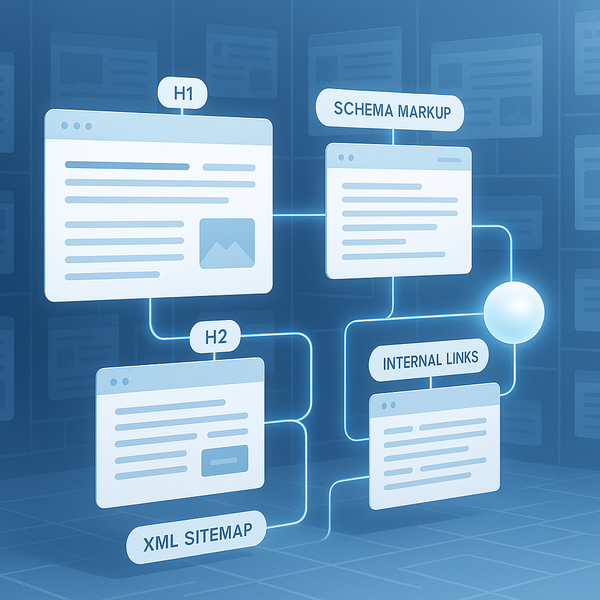
Because it does. Schema markup helps AI models understand what each element represents - product, review, FAQ, event, recipe. Without structured data, content is like a box of puzzle pieces dumped on a table. With schema, it’s a nearly completed picture. Implement:
- Product schema for e-commerce
- FAQ schema for informational pages
- Article schema for blog posts
- Image metadata wherever relevant
Clean structure feeds multimodal understanding.
4. Optimize Images for Context, Not Just Size
Yes, compress images for speed. Page performance still matters. But optimization now goes deeper:
- Descriptive file names
- Accurate alt text
- Captions that add meaning
- Placement near relevant copy
Have you ever landed on a page where the image feels disconnected from the text? Humans notice. AI does too. Images should reinforce the narrative, not float randomly like decorative wallpaper.
5. Improve Topical Authority
Gemini favors sources that demonstrate expertise across a subject area. This means:
- Interlinking related articles
- Covering subtopics thoroughly
- Updating outdated content regularly
- Eliminating thin or duplicate pages
Authority builds like compound interest. Slow at first. Then powerful. A scattered blog with inconsistent themes? That’s noise. A tightly structured knowledge hub? That’s signal.
Technical Foundations Still Matter
It’s tempting to focus only on AI-friendly content. Big mistake. Multimodal search still relies on crawlable, fast, mobile-friendly websites. Make sure to:
- Improve Core Web Vitals
- Ensure responsive design
- Fix broken links
- Use logical URL structures
- Maintain clean navigation
Think of technical SEO as the plumbing of a house. Nobody praises it when it works. Everyone notices when it fails.
Create Content That Feels Human
Here’s something people don’t say enough: AI systems are trained on patterns of human communication. If content feels robotic, vague, or mass-produced, it blends into the noise. Strong multimodal optimization includes:
- Clear explanations
- Engaging structure
- Short and long sentence variation
- Visual storytelling elements
Ironically, the more human the content feels, the better it performs in AI-driven search. That’s not magic. It’s alignment.
Leverage Video and Cross-Format Content
Gemini processes video context alongside text. Brands should consider embedding:
- Explainer videos
- Product demonstrations
- Tutorial walkthroughs
- Short educational clips
Then support those videos with transcripts and descriptive summaries. Multimodal optimization thrives on redundancy across formats - not duplication, but reinforcement. A video explains. Text elaborates. Images illustrate. Together, they create clarity.
Monitor Behavioral Signals
Engagement metrics matter more than ever. If users bounce quickly, skim without interacting, or fail to find answers, that sends a message. Improve:
- Readability
- Internal linking paths
- Content scannability
- Interactive elements
Ask simple questions during audits: Does this page genuinely solve a problem? Is it easy to navigate? Would someone bookmark it? If the honest answer is no, revise it.
Future-Proofing Your Website for AI Search
Optimization for Gemini isn’t about chasing a temporary update. It’s about adapting to how search is evolving. Search engines are becoming interpreters instead of indexers. That shift changes everything. To future-proof a site:
- Invest in depth over volume
- Strengthen multimedia alignment
- Prioritize clarity and structure
- Continuously refine based on performance data
- Build genuine expertise within defined niches
Websites that treat AI like an adversary will struggle. Those that treat it like a new kind of reader - curious, contextual, pattern-seeking - will thrive.
The Bottom Line
Optimizing for Gemini’s multimodal search isn’t about tricks. It’s about coherence. Text should support visuals. Visuals should support meaning. Structure should support understanding. When everything works together, the website stops feeling like separate components stitched together and starts operating like a well-designed ecosystem. And that’s the real goal. Because in this new era of search, visibility belongs to websites that make sense - not just to algorithms, but to humans. Is it more work? Absolutely. Worth it? Without question.