How to Monitor Your Brand Mentions on Perplexity AI
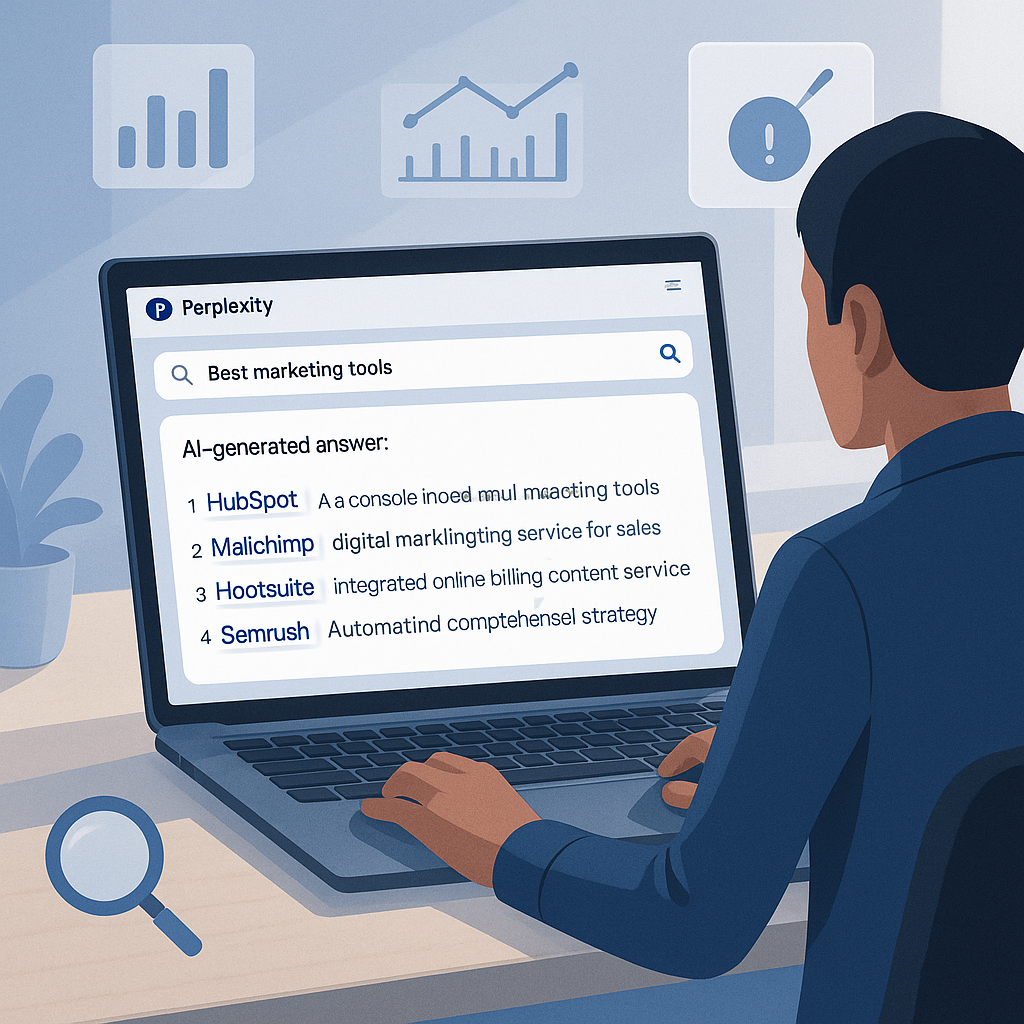
Perplexity AI is quietly reshaping how people discover brands. Not through traditional search results packed with blue links, but through direct answers. Summaries. Recommendations. And if a brand isn’t paying attention, it might be mentioned - or ignored - without ever knowing. That’s the new reality. Monitoring brand mentions on Perplexity AI isn’t optional anymore. It’s reputation management for the AI era. And honestly, it feels a bit like standing in a room where people are talking about you while you’re just outside the door. Wouldn’t you want to know what they’re saying? Let’s break down exactly how to monitor brand mentions on Perplexity AI, why it matters, and how smart teams are staying ahead.
Why Brand Mentions on Perplexity AI Matter
Perplexity AI works differently from Google. It doesn’t simply list websites. It synthesizes information. It cites sources. It delivers confident, conversational responses. That changes everything. If Perplexity mentions a brand in response to queries like: - “Best project management software for startups” - “Top sustainable fashion brands” - “Reliable cybersecurity tools for small businesses” …that mention carries weight. It feels authoritative. Curated. Almost like a trusted friend making a recommendation. And here’s the catch - users rarely dig deeper. Many accept the AI’s summary as the final answer. So if a brand isn’t included? That’s visibility lost. If it’s misrepresented? That’s reputation risk. If competitors dominate? That’s market share quietly slipping away. Sounds dramatic? Maybe. But in a world increasingly powered by AI-driven answers, this shift is very real.
How Perplexity AI Generates Brand Mentions
Before tracking anything, it helps to understand how Perplexity works. Unlike traditional search engines, Perplexity: 1. Aggregates data from web sources 2. Synthesizes that information into direct answers 3. Cites sources within responses 4. Updates dynamically based on new content It’s less about ranking position and more about semantic relevance. Think of it like this: Google is a library catalog. Perplexity is the librarian who reads five books and gives you a summary. That means brand mentions depend heavily on: - Online authority - Structured content - Consistent brand positioning - Citations in reputable publications - Clear topical alignment If a brand wants visibility, it must exist within the informational ecosystem Perplexity trusts.
Step-by-Step: How to Monitor Brand Mentions on Perplexity AI
Monitoring isn’t complicated - but it does require intention.
1. Conduct Manual Query Testing
Start simple. Search Perplexity for high-intent queries related to the industry. Not just the brand name itself, but broader category searches. For example: - "Best CRM tools for small teams" - "Affordable email marketing platforms" - "Top fitness apps in 2026" Review whether the brand appears in: - The main answer - Follow-up questions - Citations Track patterns. Are competitors appearing consistently? Is the brand absent from important conversations? Manual monitoring gives clarity fast.
2. Track Branded Searches
Next, search the brand name directly. Evaluate: - How Perplexity describes the company - Which sources it cites - Whether outdated information appears - If messaging aligns with positioning This step often reveals surprising gaps. Sometimes the AI highlights a feature the brand barely promotes - or references an old pricing model. That’s not ideal.
3. Monitor Competitor Mentions
Here’s a hot take - monitoring competitors is just as important as monitoring yourself. Search their brand names. Study how Perplexity frames them. Compare tone, strengths, differentiators. Are they described as “industry-leading” while the brand isn’t mentioned at all? That contrast matters. Understanding positioning through AI responses helps refine content strategy.
4. Use AI Monitoring Tools
Manual checks work, but they don’t scale. That’s where specialized monitoring services come in. Platforms like rapidwombat.com help track brand visibility across AI-driven platforms, including Perplexity. Instead of guessing, brands receive structured insights: - Mention frequency - Context analysis - Competitive comparison - Emerging query tracking It’s like switching from occasionally checking the weather to installing a full climate monitoring system. More data. Less blind guessing.
5. Set a Monitoring Schedule
Consistency wins here. AI outputs evolve as new content enters the web ecosystem. What appears today might disappear next month. Create a monitoring cadence: - Weekly for fast-moving industries - Bi-weekly for moderate markets - Monthly for stable niches Document changes. Track trends over time. Look for patterns instead of reacting emotionally to single instances.
Optimizing for Better Brand Mentions on Perplexity AI
Monitoring is step one. Improving visibility is step two. And yes - there’s strategy involved.
Create Authoritative, Structured Content
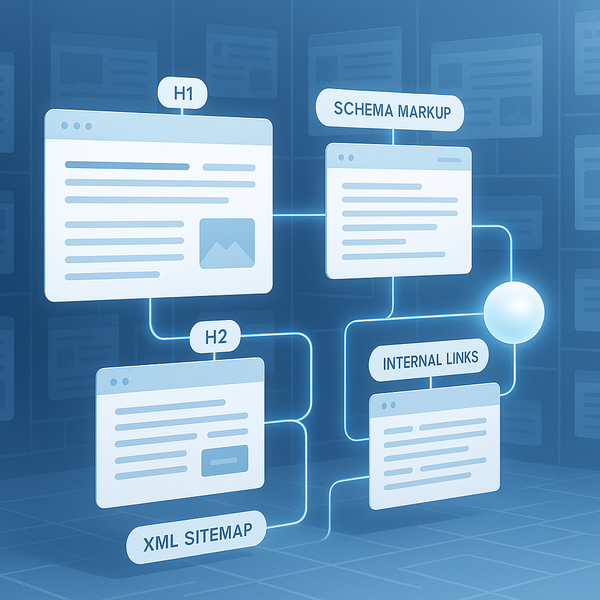
Perplexity pulls from reliable, well-structured sources. That means: - Clear headings - Direct answers to common questions - Fact-supported claims - Concise summaries within articles Long, rambling content rarely performs well in AI summaries. Clear and authoritative writing does.
Earn High-Quality Citations
Perplexity often references reputable domains. If a brand appears in: - Industry publications - News articles - Research studies - Trusted review platforms …it increases the likelihood of inclusion in AI-generated responses. Digital PR isn’t just about backlinks anymore. It’s about becoming part of the AI knowledge graph.
Align Messaging Across Platforms
Inconsistent branding confuses AI systems. If one source describes the company as "enterprise software" and another calls it "freelancer-friendly tools," Perplexity may dilute positioning. Clarity matters. Consistency builds stronger semantic signals.
Common Mistakes Brands Make
Let’s be honest. Many businesses are behind. Here are frequent missteps: - Ignoring AI platforms entirely - Focusing only on Google rankings - Assuming brand reputation manages itself - Reacting instead of proactively monitoring AI search isn’t a trend. It’s a shift. Waiting until competitors dominate Perplexity responses? That’s like showing up to a marathon after the starting gun fired 20 minutes ago.
How to Respond If Brand Mentions Are Negative or Missing
What if monitoring reveals something uncomfortable? First - don’t panic. If information is outdated, update authoritative sources. Publish fresh content. Clarify messaging. If competitors dominate, analyze why. Do they have more citations? Better structured content? Stronger topical authority? If sentiment is negative, address underlying issues publicly and transparently. AI systems draw from available information. Improving the ecosystem improves the output. It’s less about gaming the system and more about shaping the narrative responsibly.
The Future of Brand Monitoring in AI Search
Perplexity AI is just one player. More AI-driven search platforms are emerging. Voice assistants. Chat-based search. Integrated AI within browsers. The direction is obvious - fewer lists, more synthesized answers. Brands that treat AI visibility as a measurable KPI will outperform those relying solely on traditional SEO. Monitoring brand mentions on Perplexity AI today is like investing in mobile optimization ten years ago. Early adopters gain disproportionate advantages. And the best part? The process isn’t mysterious. It’s methodical. Search. Analyze. Track. Optimize. Repeat. Simple framework. Powerful impact.
Final Thoughts
Brand perception used to live in reviews and search results. Now it lives inside AI-generated answers. Perplexity AI acts as a digital intermediary between businesses and audiences. That intermediary deserves attention. Monitoring brand mentions isn’t about vanity metrics. It’s about understanding how AI interprets a company’s identity, strengths, and relevance within its industry. Because here’s the truth - if a brand isn’t actively watching how it appears in AI responses, it’s leaving its narrative to algorithms and competitors. And that’s a risky move. Smart brands pay attention. They track. They adapt. The question isn’t whether AI search will influence reputation. It already does. The real question is - who’s monitoring it?