How to Get Your Brand Cited by Gemini Search
Let’s be honest - search has changed. Quietly at first. Then all at once.
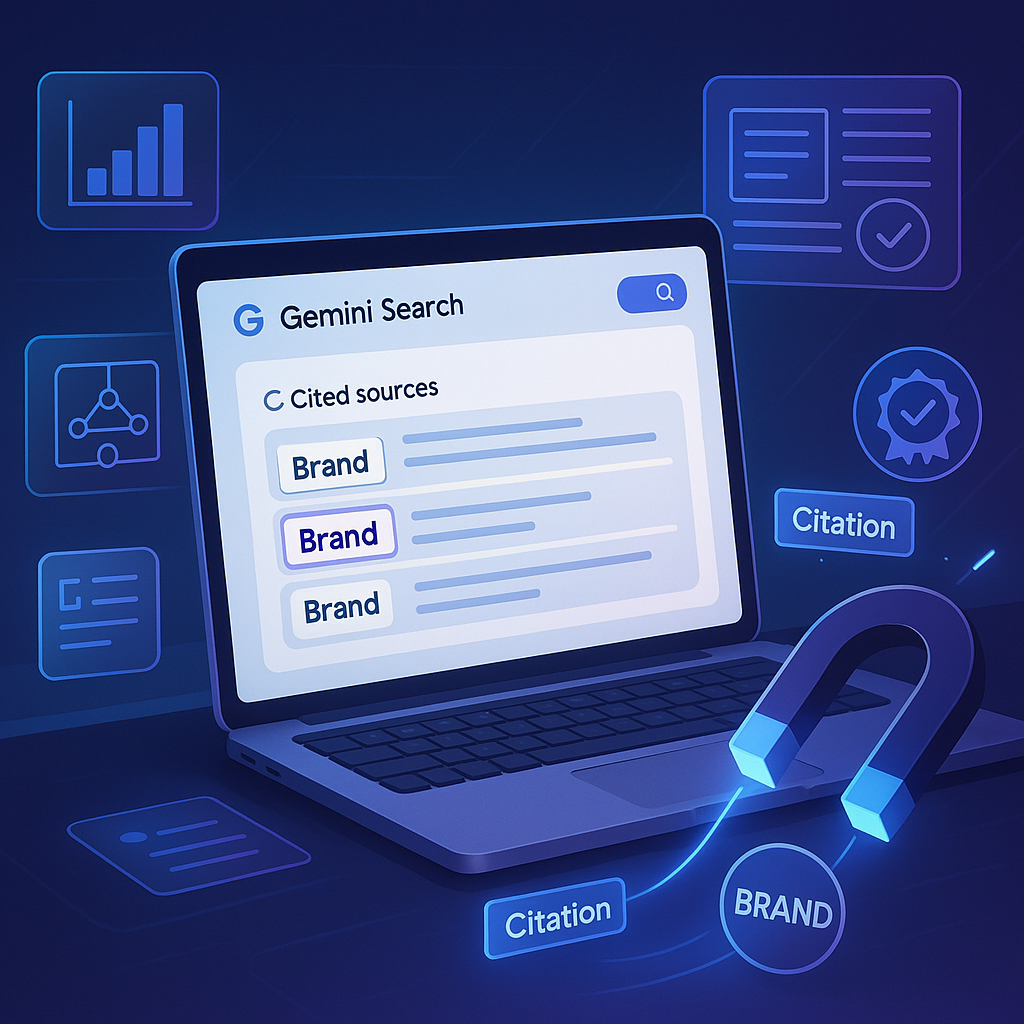
Gemini Search doesn’t just list websites. It summarizes. It interprets. It answers. And when it answers, it cites.
That single shift has turned brand visibility into something deeper than rankings. Now it’s about being referenced. Quoted. Trusted enough to be pulled into the response itself.
If you ask him, the modern marketer isn’t fighting for blue links anymore. He’s fighting for inclusion in the narrative.
So how does a brand actually get cited by Gemini Search?
It’s not magic. It’s structure, clarity, authority, and a little strategic patience.
First, Understand How Gemini Search Thinks
Gemini Search behaves less like a librarian and more like a research assistant who skimmed the top 40 credible sources and stitched together a clean explanation.
It looks for:
- Clear authority signals
- Structured information
- Consistent expertise
- Accurate, referenced data
- Brands that show up repeatedly across trusted platforms
Sounds simple, right?
It’s not.
Because most websites still write like it’s 2018 - bloated paragraphs, vague claims, zero original insight. Gemini doesn’t reward noise. It extracts value.
And value must be obvious.
Build Content That Deserves Citation
Here’s the uncomfortable truth: Gemini cites sources that make its job easier.
That means your content needs to feel like something an AI would confidently reference without hesitation.
1. Be Specific - Not Generic
Generic content is invisible.
Instead of writing “SEO is important for businesses,” a stronger approach looks like:
- Original data
- Clear frameworks
- Step-by-step breakdowns
- Industry-backed statistics
Gemini Search favors material that answers questions precisely. It doesn’t want fluff. It wants usable substance.
2. Use Structured Formatting
Think of structure like scaffolding on a building. Without it, everything collapses.
Strong formatting includes:
- Descriptive H2 and H3 headings
- Bullet lists for clarity
- Numbered processes
- Short, digestible paragraphs
When information is organized cleanly, Gemini can parse it faster. And when it can parse it faster, it’s more likely to cite it.
3. Answer Real Questions Directly
Have you ever noticed how some articles dance around the point?
That doesn’t work anymore.
If someone searches, “How does Gemini choose sources?” your article should literally contain a section that answers that exact question - clearly and directly.
Direct answers increase citation probability. Period.
Authority Signals Matter More Than Ever
Here’s a hot take: backlinks alone aren’t enough anymore.
Gemini Search evaluates brand authority holistically. It looks at digital footprint. Mentions. Consistency.
A brand that appears in:
- Industry publications
- Expert roundups
- Data studies
- Trusted directories
- News articles
... has a dramatically higher chance of being cited.
Why? Because repetition builds perceived authority. If multiple trusted sources mention a brand, Gemini sees reinforcement.
Think of it like reputation gravity. The more mass your brand accumulates across the web, the stronger the pull.
Create “Citation Bait” Content
No, that’s not manipulative. It’s strategic.
Citation bait means publishing assets designed specifically to be referenced.
Examples of High-Citation Assets
- Original research reports
- Industry statistics pages
- Benchmark studies
- Comprehensive guides
- Proprietary frameworks
For example, a detailed annual report on AI-driven search trends could become a recurring citation source if updated consistently.
Consistency is key. One strong article helps. Ten strong resources build gravity.
Technical Optimization Still Plays a Role
Content quality alone won’t save a poorly structured website.
Gemini Search relies on:
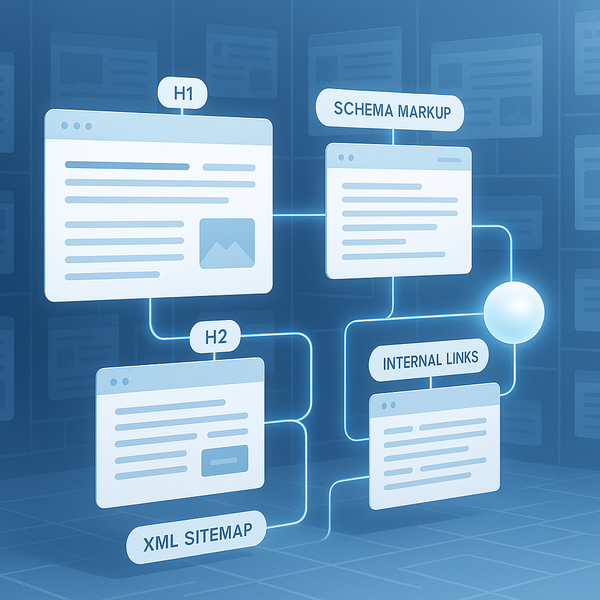
- Schema markup
- Fast loading speed
- Mobile optimization
- Clear site hierarchy
If pages load slowly or lack structured data, they become harder to interpret.
And here’s the thing - AI systems prefer clarity over cleverness. Clean code beats flashy design.
Brands serious about AI visibility often partner with specialists who understand both SEO and AI search ecosystems. Services like rapidwombat.com focus specifically on positioning brands for citation across evolving AI-driven platforms.
Because traditional SEO and AI citation strategy? Not identical twins. More like cousins who look similar but behave differently.
Earn Mentions Beyond Your Own Website
This part gets overlooked.
Gemini Search doesn’t only pull from your blog. It evaluates the broader digital conversation.
That means citation strategy includes:
- Guest contributions on reputable sites
- Podcast appearances
- Quoted insights in journalism
- Research collaborations
- Thought leadership columns
When your brand becomes part of wider discourse, citation probability increases.
It’s like being referenced in multiple textbooks. Eventually, you become part of the standard explanation.
Clarity Beats Complexity
Here’s something people misunderstand.
They assume sounding sophisticated improves citation chances. Sometimes the opposite is true.
Gemini Search favors clarity.
If your explanation of blockchain marketing requires three rereads, it’s less likely to be pulled into a summary.
Strong citation-ready writing:
- Uses plain language
- Defines terms clearly
- Avoids unnecessary jargon
- Provides structured insights
Clear beats clever.
Update Content Relentlessly
Outdated information is citation poison.
Gemini prioritizes freshness, especially in rapidly evolving industries like AI, fintech, health, and digital marketing.
Brands that:
- Refresh statistics
- Add new case studies
- Improve clarity
- Expand sections
... signal active expertise.
An article published in 2023 and never touched again slowly fades. An article updated quarterly builds trust.
Search systems notice.
Brand Consistency Across Platforms
Consistency might be the quiet hero here.
Does your brand message align across:
- Website content
- LinkedIn articles
- Industry interviews
- Research publications
Mixed messaging creates weak signals. Strong positioning creates confidence.
Gemini Search synthesizes information from multiple sources. If your expertise appears fragmented, citation likelihood drops.
If it appears unified and reinforced repeatedly? Different story.
Measure What Actually Matters
Traditional metrics won’t fully capture AI citation visibility.
Instead of obsessing only over rankings, brands should monitor:
- Brand mentions in AI-generated responses
- Referral traffic from AI platforms
- Increase in unlinked brand citations
- Authority growth across industry domains
This requires experimentation. Testing prompts. Monitoring outputs. Adjusting strategy.
It’s iterative.
The Long Game of Being Citable
Getting cited by Gemini Search isn’t a hack. It’s a positioning shift.
Brands must move from chasing keywords to owning expertise.
From publishing content to publishing references.
From optimizing pages to building authority ecosystems.
It’s slower than quick-win SEO tactics. But it’s sturdier.
Think of citation like being quoted in a documentary instead of just appearing in the background of a crowd scene. One builds recognition. The other builds credibility.
And credibility compounds.
Final Thoughts on Gemini Search Citation Strategy
Visibility in Gemini Search comes down to three pillars:
- Structured, high-value content
- Distributed authority across the web
- Technical clarity and consistency
No shortcuts. No gimmicks.
Brands willing to treat their expertise like a publishable resource - not just a marketing asset - position themselves differently.
And when Gemini looks for something reliable to cite?
It chooses the brand that already sounds like the source.