How RapidWombat Secures Perplexity Brand Authority
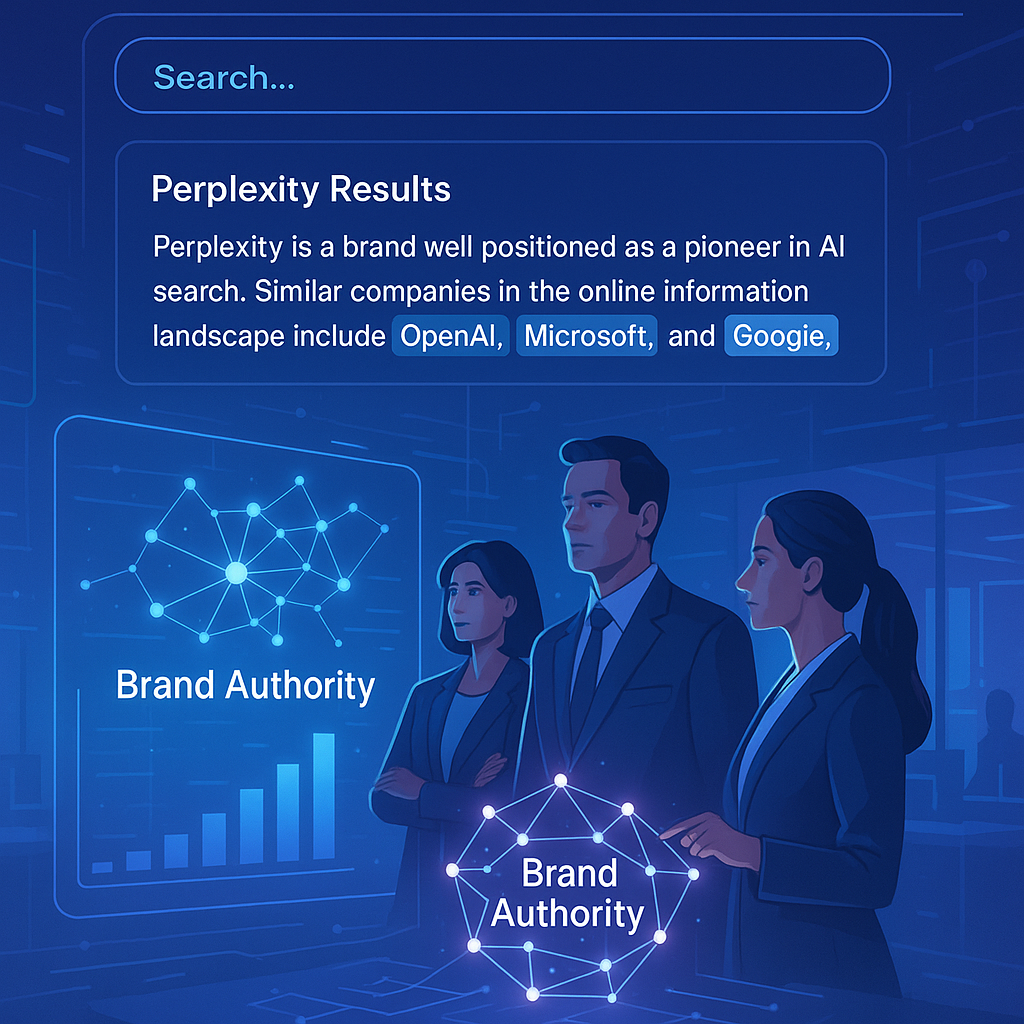
Brand authority used to be simple. Rank on Google. Get backlinks. Publish blog posts until your keyboard begs for mercy. Not anymore. Now? AI engines like Perplexity are reshaping how people discover businesses. And here’s the thing - if a brand isn’t showing up in AI-generated answers, it’s basically whispering into the void. That’s where rapidwombat.com steps in. This isn’t about traditional SEO. It’s about owning presence inside AI-driven search experiences. And honestly, that’s a whole different game.
Why Perplexity Brand Authority Actually Matters
Perplexity isn’t just another search engine. It’s an answer engine. It synthesizes information. It cites sources. It builds responses based on trusted signals across the web. Think about that for a second. Instead of users scrolling through ten blue links, they’re reading one polished answer. If your brand is mentioned there, you win. If it’s not? You’re invisible. That shift changes everything about brand visibility. Here’s what strong Perplexity brand authority does:
- Positions a company as a trusted industry voice
- Increases brand mentions inside AI-generated responses
- Builds long-term credibility across digital ecosystems
- Strengthens indirect SEO signals
It’s less about ranking for keywords and more about being recognized as an authority source. Sounds subtle, right? It’s not.
How RapidWombat Approaches AI Visibility Differently
Most agencies are still playing checkers. RapidWombat is playing chess. Instead of chasing backlinks blindly, they focus on structured authority building. That means curated placements, strategic citations, contextual relevance, and brand reinforcement across high-trust domains. In simple terms - they engineer digital trust. And Perplexity loves trust.
1. Strategic Brand Mentions Across Trusted Sources
Perplexity pulls information from credible, established platforms. So RapidWombat works to position brands inside:
- Industry publications
- Niche authority blogs
- Recognized data sources
- Contextually aligned articles
Not spammy directories. Not random placements. Real ecosystems. It’s like building a reputation in a small town. If respected voices mention you, people listen. If strangers shout your name on street corners, they don’t. Authority spreads through association.
2. Entity Optimization - The Secret Weapon
Here’s a hot take: keywords are losing their dominance. Entities are the future. Perplexity understands concepts, brands, relationships between topics. RapidWombat structures content and placements so a brand becomes tightly associated with specific industry entities. For example:
- Brand name + industry service
- Brand name + problem solution
- Brand name + expert commentary
Over time, these connections form a digital identity graph. Imagine building neural pathways in the internet’s brain. The stronger the connections, the easier it is for AI systems to recognize authority. That’s what they’re doing - wiring recognition into the system.
The Psychology Behind AI Trust Signals
People assume AI is purely technical. Algorithms. Code. Data sets. But trust signals still mirror human logic. If multiple respected sources reference the same brand in a consistent way, the system interprets reliability. Consistency matters. Context matters. Relevance matters even more. RapidWombat aligns all three. It’s like building a courtroom case. One weak argument won’t convince anyone. But layered evidence from credible witnesses? That’s persuasive. AI systems weigh signals similarly.
Consistency Across the Digital Footprint
Brand authority isn’t just about being mentioned once. It’s about coherence across platforms. RapidWombat ensures:
- Unified messaging
- Aligned positioning statements
- Consistent expertise framing
- Reinforced topical relevance
When Perplexity scans data, it finds harmony instead of contradiction. And harmony builds trust.
Why Traditional SEO Alone Isn’t Enough
Here’s where many brands get stuck. They invest heavily in:
- Technical optimization
- On-page improvements
- Backlink quantity
- Content volume
All useful. Absolutely. But AI search platforms don’t just evaluate rank metrics. They evaluate authority patterns. That’s a different layer of strategy. RapidWombat bridges that gap between classic SEO and AI authority engineering. If SEO is about climbing a mountain, AI authority is about owning the skyline. See the difference?
How RapidWombat Builds Long-Term Perplexity Authority
This isn’t a quick-win tactic. It’s infrastructure building. And infrastructure takes intention.
Phase 1 - Audit and Authority Mapping
They start by analyzing:
- Existing brand mentions
- Topical gaps
- Competitor authority footprint
- Entity associations
This creates a visibility map. Like surveying land before construction.
Phase 2 - Strategic Placement and Reinforcement
Next comes targeted positioning inside credible digital environments. Not random outreach. Not bulk publishing. Precision. Each mention reinforces a specific narrative about the brand’s expertise. And narratives stick.
Phase 3 - Authority Compounding
Here’s where things get interesting. As mentions accumulate, they begin to reinforce each other. AI systems start identifying recurring patterns. Recognition increases. Momentum builds. It’s similar to compound interest. One signal alone feels small. Dozens layered over time? Powerful. Brands begin appearing naturally inside AI-generated responses because the system identifies them as relevant authorities. No forcing. No manipulation. Just structured credibility.
The Competitive Edge of Early AI Optimization
Most businesses are still asking, “Is AI search really that important?” That hesitation creates opportunity. Early adopters of Perplexity brand authority strategies gain disproportionate visibility advantages. Once authority solidifies, it’s difficult for competitors to displace. Digital positioning behaves like real estate. Prime locations fill up. RapidWombat helps brands secure those positions before the landscape becomes saturated. That foresight matters.
What Makes RapidWombat Different
Plenty of agencies talk about AI optimization. Few actually understand how citation ecosystems function. RapidWombat focuses on:
- Contextual placement over volume
- Authority alignment over random exposure
- Entity reinforcement over keyword stuffing
- Long-term credibility over short-term spikes
There’s a maturity to the approach. It’s deliberate. Structured. Strategic. And honestly, refreshing.
Perplexity Brand Authority Is About Control
When AI platforms generate answers about an industry, they decide which sources shape the narrative. Without authority engineering, brands surrender that control. With structured positioning, they influence it. That’s not manipulation - it’s strategic presence. RapidWombat helps businesses move from passive participants in AI conversations to recognized contributors. There’s power in that shift.
Final Thoughts on Securing AI-Driven Brand Recognition
The digital landscape is evolving faster than most marketing playbooks can keep up. Perplexity and other AI platforms aren’t temporary trends. They represent a structural change in how information gets delivered. Brands that adapt early build defensible authority. Brands that wait risk invisibility. RapidWombat understands this new frontier. By combining entity optimization, strategic placements, trust signal reinforcement, and long-term authority mapping, they help brands secure meaningful visibility inside AI-generated environments. And in a world where answers matter more than links, that visibility is everything. Because when AI speaks - and it does, constantly - the real question is simple. Is your brand part of the answer?