Cutting Marketing Overhead: From CMO Salaries to RapidWombat
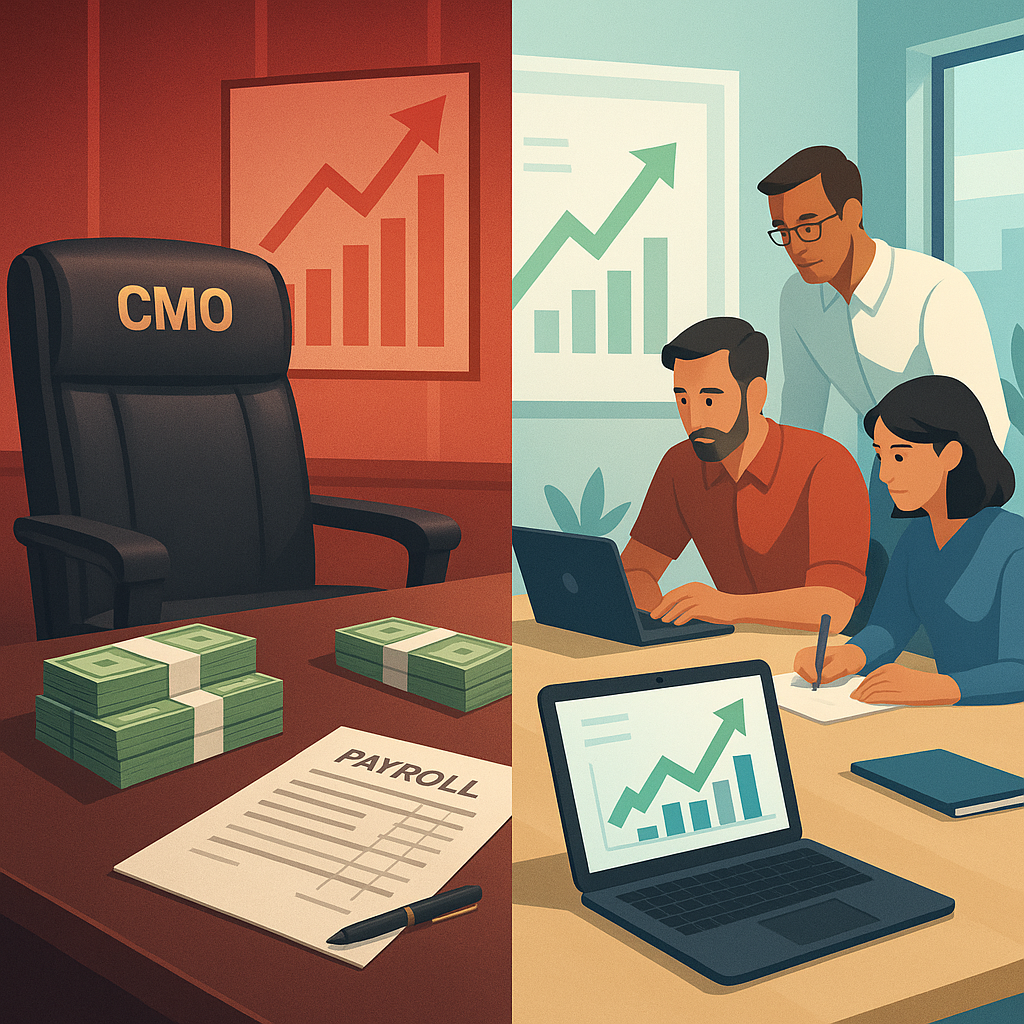
Marketing used to mean one thing - hire a Chief Marketing Officer, build a team under them, and hope the revenue curve climbs fast enough to justify the burn. That was the playbook. For years.
But here’s the uncomfortable truth: the old model is expensive. Sometimes painfully so. And not every growing company needs a six-figure executive sitting at the head of the table.
Smart founders are starting to ask a sharper question: what if you could keep strategic firepower without carrying the full-time salary weight?
The Real Cost of a CMO
Let’s talk numbers, because numbers rarely lie.
A seasoned CMO in the United States easily commands $180,000 to $300,000 per year. Add bonuses. Add equity. Add benefits. Add payroll taxes. Add support staff. Suddenly that “hire” looks more like a $350,000 to $500,000 annual commitment.
And that’s before ad spend.
Before tools.
Before agencies.
Sounds manageable for enterprise brands, right? Sure. But for startups, mid-sized companies, or founder-led businesses? It can feel like strapping a jet engine to a bicycle.
What That Overhead Really Includes
- Base salary and performance bonuses
- Equity compensation or stock options
- Health benefits and retirement contributions
- Recruitment costs
- Marketing tech stack expenses
- Support staff - coordinators, analysts, assistants
When leaders examine the full picture, the salary line item is only the beginning.
Here’s a hot take: many companies don’t need a full-time executive. They need clarity. They need direction. They need execution. And those are not always the same thing.
Why Traditional Marketing Structures Break Down
Marketing departments often grow like messy gardens. One hire here. Another tool there. An agency layered on top. Over time, the system becomes tangled. Expensive. Sluggish.
Have you ever watched a team spend three weeks debating a campaign tagline while competitors launch three offers in the same window?
That’s overhead at work.
Large internal teams can slow momentum because decision-making stretches across too many desks. Accountability gets fuzzy. Urgency fades. Meanwhile, monthly payroll keeps ticking.
If you ask most founders privately, they’ll admit something surprising: what they crave is agility, not hierarchy.
The Shift Toward Lean Marketing Leadership
There’s a growing movement toward fractional leadership, outsourced strategy, and performance-focused partnerships. Not because it’s trendy. Because it makes financial sense.
Instead of hiring one high-cost executive, companies are exploring alternatives:
- Fractional CMOs
- Performance-based agencies
- Specialized growth partners
- On-demand strategy teams
The logic is simple. Pay for outcomes. Not for office presence.
This approach trims marketing overhead while preserving strategic thinking. It swaps fixed costs for flexible investment. And flexibility, especially in volatile markets, is oxygen.
From CMO Salaries to RapidWombat
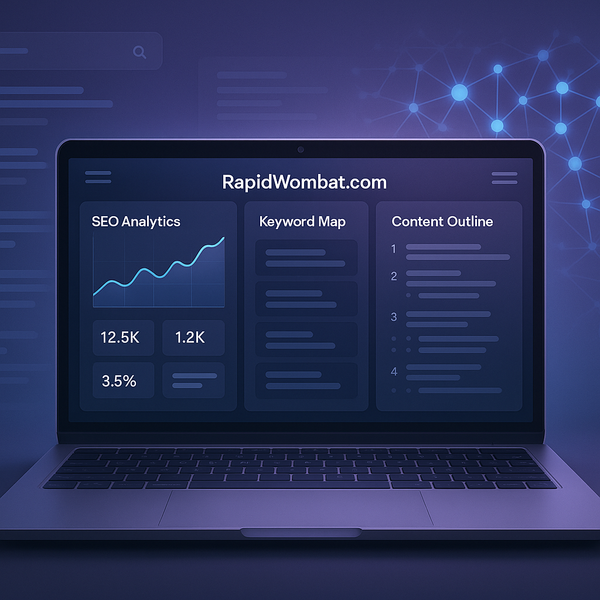
This is where platforms like rapidwombat.com enter the conversation.
Instead of building a full in-house leadership structure, businesses can access seasoned marketing strategy without carrying the traditional executive burden. Think of it as upgrading from owning a cargo ship to chartering exactly what you need, when you need it.
That shift changes the math dramatically.
What Makes the Model Different?
- No long-term executive salary commitments
- Strategic guidance aligned to growth goals
- Execution support without bureaucratic drag
- Cost efficiency compared to full-time leadership
Instead of funding overhead, companies fund momentum.
And momentum compounds.
Financial Breathing Room Changes Everything
Imagine redirecting $250,000 in annual savings.
That capital could fuel:
- Paid acquisition experiments
- Content production at scale
- Conversion rate optimization
- Product development
- Customer retention initiatives
Marketing should generate growth, not suffocate it.
Overhead is like carrying a backpack filled with rocks on a marathon run. Technically possible. Deeply inefficient.
Lean structures, on the other hand, feel like shedding weight before the starting gun. Speed improves. Focus sharpens. Decision cycles shorten.
But What About Leadership?
Skeptics often ask, “Without a full-time CMO, who owns strategy?”
Fair question.
Ownership doesn’t require a corner office. It requires clarity of responsibility and measurable outcomes. Modern growth partners build frameworks, define KPIs, and drive accountability without inflating payroll.
In fact, external experts sometimes deliver sharper perspective because they’re not entangled in internal politics. They see patterns faster. They move quicker. They optimize based on results, not job security.
Honestly, that kind of focus can be refreshing.
When Does This Approach Make Sense?
Not every company should abandon traditional leadership. But many should at least consider alternatives.
This model works especially well for:
- Startups approaching product-market fit
- Scaling businesses managing cash flow carefully
- Founder-led brands needing structured growth plans
- Companies stuck in stagnant revenue patterns
It’s less about cutting corners and more about cutting waste.
There’s a difference.
Marketing Efficiency Is the New Competitive Advantage
Ten years ago, access to capital defined advantage. Today, efficiency often wins.
Brands that deploy resources intelligently outmaneuver those burning through oversized budgets. They test faster. They pivot sooner. They survive downturns with less stress.
Reducing marketing overhead is not about austerity. It’s about precision.
Think of it like replacing a gas-guzzling SUV with a high-performance electric vehicle. Both move forward. One does it cleaner, cheaper, and with sharper torque.
Why wouldn’t a company want that?
Questions Leaders Should Be Asking
Before signing another executive contract, decision-makers might pause and consider:
- Do we need full-time leadership or strategic access?
- Is our current structure producing measurable ROI?
- Are we paying for output or just presence?
- Could reallocating salary funds accelerate growth faster?
These questions aren’t comfortable. They challenge tradition. But they open doors to smarter allocation.
The Bottom Line on Cutting Marketing Overhead
High CMO salaries once symbolized ambition. Now they sometimes represent rigidity.
Growth today rewards adaptability. Lean teams. Strategic partnerships. Outcome-driven execution.
Moving from a traditional executive-heavy structure toward flexible solutions like rapidwombat.com isn’t about downgrading leadership. It’s about redefining it.
Leadership doesn’t have to sit on payroll to be powerful.
Companies that understand this are quietly reshaping their cost structures, improving margins, and unlocking capital for initiatives that truly scale revenue.
And in a market where attention is scarce and competition relentless, freeing up resources might be the most strategic move of all.
Because at the end of the day, growth isn’t about how much you spend.
It’s about how wisely you invest.