ChatGPT Search: How to Get Free Organic Traffic Today
There’s a quiet shift happening in the world of SEO, and most site owners are barely paying attention. While everyone argues about algorithm updates and social media hacks, something else is driving traffic in a surprisingly powerful way - ChatGPT search behavior. Yes, really. People are no longer just Googling. They’re asking AI tools for recommendations, comparisons, summaries, and buying advice. And here’s the part that should make any marketer sit up straight: those answers have to come from somewhere. If you ask him, the smart site owner isn’t fighting AI. He’s feeding it. So how does someone actually get free organic traffic from ChatGPT search today? Let’s break it down.
What Is ChatGPT Search, Really?
ChatGPT search isn’t a traditional search engine. It doesn’t show ten blue links and call it a day. Instead, it delivers curated answers pulled from indexed content, structured data, brand mentions, and authoritative sources. Think of it like this. Google is a library. ChatGPT is the librarian who already read the books and gives you the summary. Now imagine your website is one of those books. Wouldn’t you want it on the recommended shelf?
Why Free Organic Traffic From AI Is Different
Traffic from AI-assisted discovery behaves differently than standard search traffic. Here’s what makes it powerful:
- High intent - Users ask specific, problem-focused questions.
- Pre-qualified visitors - They’ve already narrowed down options.
- Trust transfer - If AI mentions a brand, credibility skyrockets.
- Lower competition - Fewer businesses optimize for AI citations.
Sounds simple, right? It’s not magic. It’s positioning.
How to Optimize for ChatGPT Search Traffic
There’s no secret switch. No hidden submission form. But there are patterns.
1. Create Content That Answers Specific Questions
AI tools love clarity. They pull from content that directly answers a query in plain language. Instead of writing vague, fluffy articles, focus on:
- "How to" guides
- Step-by-step breakdowns
- Comparisons
- Pros and cons lists
- Clear definitions
For example, a weak heading might say: "Marketing Tips for Beginners" A stronger, AI-friendly version: "How Small Businesses Can Generate Leads Without Paid Ads" Specificity wins. Every time.
2. Structure Content for Easy Extraction
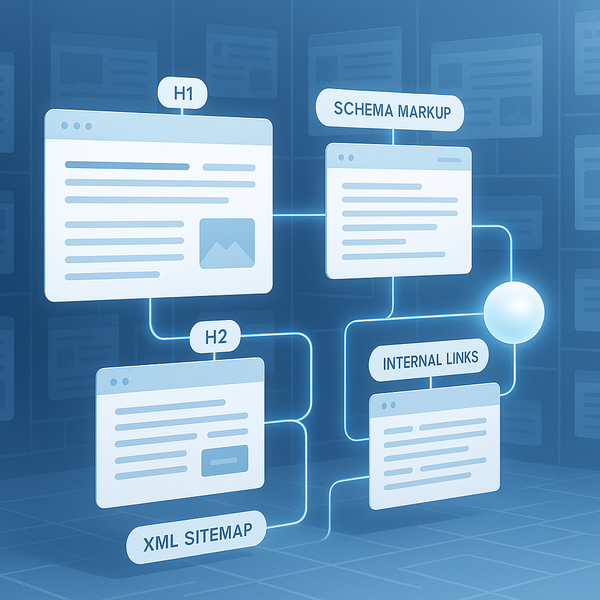
AI models prefer structured information. Clean formatting matters more than most people realize. Use:
- Clear H2 and H3 subheadings
- Bullet lists
- Numbered steps
- Short explanatory paragraphs
- Concise summaries under headers
Walls of text? Forget it. Well-organized content acts like a neatly packed suitcase. Everything is easy to grab.
3. Build Topical Authority
One blog post won’t do it. AI search systems identify patterns across entire domains. If someone publishes five shallow articles about SEO, that’s noise. If they publish fifty detailed, interlinked guides covering technical optimization, on-page tactics, keyword mapping, analytics, and link building - now that’s authority. Topical clusters work exceptionally well: - Core guide - Supporting subtopics - Case studies - FAQs - Tools and comparisons This signals depth. Depth builds trust. Trust earns citations.
4. Earn Mentions Across the Web
Here’s a hot take: backlinks still matter, but brand mentions might matter more in AI-driven discovery. If reputable blogs, forums, and directories reference a company consistently, it strengthens entity recognition. That’s one reason services like rapidwombat.com focus on scalable digital visibility strategies rather than vanity metrics. Visibility across multiple sources feeds discoverability in ways most site owners underestimate. Authority isn’t built in isolation. It’s echoed.
5. Write Like a Human, Not a Keyword Robot
Ironically, optimizing for AI means sounding less robotic. Over-optimized text packed with repetitive phrases feels unnatural. AI systems are trained on human language patterns. They recognize authenticity. Strong content: - Uses natural phrasing - Avoids keyword stuffing - Explains concepts conversationally - Provides context, not just definitions Have you ever read something that felt like it was written for a machine instead of a person? Exactly. Don’t be that site.
The Role of SEO in ChatGPT Visibility
Let’s be clear - traditional SEO is not dead. It’s evolving. Ranking well in search engines increases the likelihood that content becomes part of AI training data and live search integrations. Strong technical foundations still matter:
- Fast loading speed
- Mobile optimization
- Clean site architecture
- Schema markup
- Secure HTTPS setup
Technical SEO is the plumbing. No one admires it. Everyone suffers when it breaks.
Content Types That Perform Best in AI Search
Some formats naturally perform better in AI-generated answers.
Comparisons
"Tool A vs Tool B" articles are gold. They provide structured distinctions that AI can summarize easily.
Expert Roundups
Curated insights show authority and diverse perspectives.
Data-Driven Posts
Original statistics increase citation potential dramatically.
Comprehensive Guides
Long-form content covering a topic from multiple angles signals expertise. Short posts have their place. But depth often wins in AI-driven search results.
Common Mistakes That Kill Organic AI Traffic
Some businesses unknowingly sabotage their own visibility. Here are frequent issues:
- Publishing thin content
- Ignoring internal linking
- Using vague headlines
- Failing to update outdated posts
- Chasing trends without strategy
Consistency beats randomness. A scattered blog feels like a junk drawer. A strategic content hub feels like a reference manual. Which one would an AI prefer to quote?
How to Start Getting Free Organic Traffic Today
No theory. Just action. Here’s a practical roadmap:
- Identify 20 high-intent questions in your niche.
- Create detailed, structured answers for each.
- Interlink related articles.
- Add schema where relevant.
- Promote content for brand mentions.
- Update and expand quarterly.
Momentum builds quietly at first. Then it compounds. One citation leads to another. One mention becomes recurring visibility. Traffic grows without ad spend draining the budget. Free organic traffic doesn’t mean effortless. It means earned.
The Bigger Picture
AI-driven search is not replacing traditional discovery channels overnight. But behavior is shifting. People want faster answers. Cleaner summaries. Trusted suggestions. Websites that adapt early gain an advantage that late adopters struggle to replicate. It’s like arriving at a new city before the crowds. Rent is cheaper. Opportunities are everywhere. Then word spreads. The same principle applies here. Those who optimize for ChatGPT search today position themselves for compounding visibility tomorrow. And honestly? That’s a smarter long-term play than chasing every algorithm update like it’s breaking news. Free organic traffic is still possible. It just requires understanding where attention is moving - and meeting it there. The tools are available. The opportunity is open. The only question left is simple. Will your content be the one AI chooses to mention?