Building a 24/7 Marketing Machine with RapidWombat.com
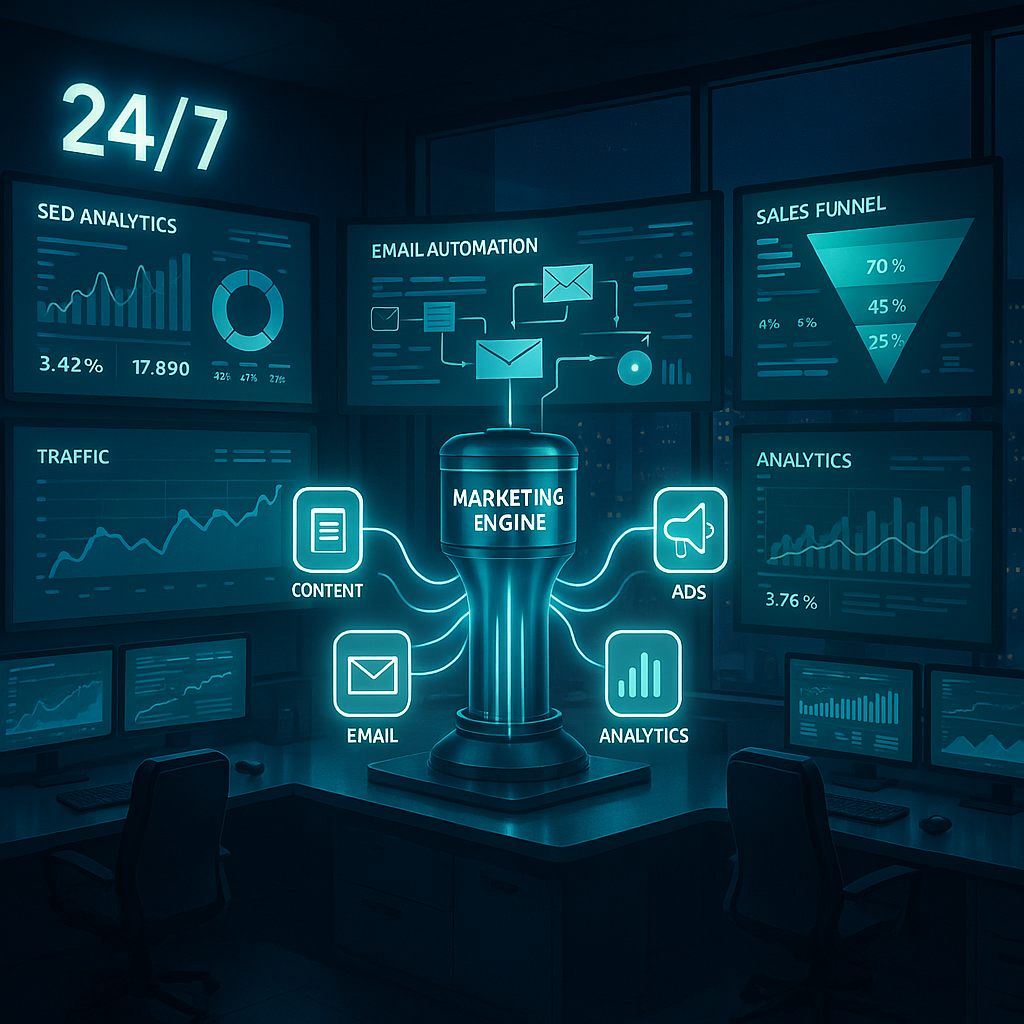
There’s something wildly appealing about the idea of a business that never sleeps. Sales ticking in at 2:13 a.m. Leads arriving while the team is at lunch. Content pulling traffic long after it’s published. It sounds like one of those overhyped internet promises - until it isn’t. Here’s the truth: a 24/7 marketing machine isn’t magic. It’s architecture. And when built correctly, it runs quietly in the background like a well-tuned engine, humming along while competitors are still manually shifting gears. That’s where rapidwombat.com enters the picture. Not as a gimmick. Not as another "growth hack." But as infrastructure. ## What Does a 24/7 Marketing Machine Actually Mean? Let’s clear something up first. This isn’t about blasting ads every hour or flooding inboxes. A true 24/7 marketing system means: - Automated lead capture - Intelligent follow-up sequences - Consistent, search-optimized content - Conversion-driven landing pages - Data-backed optimization Think of it like building a digital ecosystem. Every piece feeds the next. Content attracts. Funnels qualify. Emails nurture. Analytics refine. Then the cycle tightens and improves. Sounds simple, right? It isn’t effortless. But it is repeatable. ## Why Most Businesses Get Stuck Many companies start strong. They publish a few blogs. Run some ads. Send a newsletter. For a while, there’s momentum. Then life happens. Deadlines pile up. Campaigns stall. The website collects dust. Marketing becomes reactive instead of strategic. The real problem? Fragmentation. Different tools. Disconnected data. Random tactics without cohesion. It’s like trying to cook dinner using five kitchens in five different houses. A marketing machine requires unity. One clear strategy. One streamlined execution model. ### The Cost of Inconsistency When systems aren’t aligned, three things usually occur: 1. Leads slip through the cracks. 2. Brand messaging becomes diluted. 3. Growth plateaus. Not because the business lacks potential - but because the engine never fully formed. ## Enter RapidWombat.com - The Infrastructure Builder RapidWombat.com positions itself as more than a service provider. It functions as the framework behind sustainable digital growth. Instead of piecing together random marketing tasks, it focuses on building systems that operate continuously. Here’s what that looks like in practice. ### 1. Automated Lead Generation Funnels A strong funnel works like a well-designed airport. Traffic lands. Visitors are guided clearly. Only qualified prospects move toward the gate. RapidWombat builds structured funnels designed to: - Capture high-intent visitors - Segment audiences automatically - Trigger personalized follow-up flows - Track behavioral data for optimization No guesswork. No manual chasing. ### 2. SEO-Driven Content That Compounds Content marketing isn’t about volume. It’s about velocity and durability. One optimized article can attract traffic for years. But only if it’s strategically built. Search intent. Keyword mapping. Conversion pathways. RapidWombat integrates these elements into a cohesive content strategy so that every piece works harder over time. Instead of publishing and hoping, the process becomes targeted and measurable. ### 3. Smart Automation Sequences Automation gets a bad reputation. Some imagine robotic messages firing off blindly. That’s not the goal. Effective automation feels human. Timely. Relevant. The platform’s approach includes: - Behavior-based email workflows - Retargeting sequences - Timed educational campaigns - Conversion-triggered offers The result? Prospects receive information exactly when they’re most receptive. Timing matters. More than most admit. ## Building the Machine - Step by Step For businesses wondering how to transition from chaos to structure, the roadmap is surprisingly logical. ### Step 1 - Audit the Current Landscape Before building anything new, existing assets must be evaluated. - Website performance - Traffic sources - Conversion rates - Funnel drop-off points - Messaging consistency This creates clarity. And clarity eliminates wasted effort. ### Step 2 - Define the Core Customer Journey Where does awareness begin? What questions arise during evaluation? What objections block purchase decisions? Mapping this journey transforms marketing from random noise into guided conversation. ### Step 3 - Implement Integrated Systems Here’s where many stumble. They try to bolt automation onto unstable foundations. Instead, systems must be integrated intentionally: 1. SEO content attracts. 2. Landing pages convert. 3. Email sequences nurture. 4. Analytics refine. 5. Retargeting re-engages. Everything feeds forward. ### Step 4 - Optimize Relentlessly A marketing machine isn’t static. It evolves. Data reveals patterns. Patterns inform adjustments. Adjustments improve performance. Small refinements compound dramatically over months. It’s not glamorous. It is effective. ## The Power of Continuous Momentum Imagine planting a tree. At first, growth seems invisible. Roots develop underground. Progress feels slow. Then suddenly - leaves appear. Branches stretch. Shade forms. Digital systems work the same way. Consistent SEO content builds authority. Automated workflows increase engagement. Conversion rates improve incrementally. Then one day, traffic spikes. Revenue stabilizes. Predictability replaces uncertainty. That’s the moment businesses realize they’re no longer chasing growth. Growth is working for them. ## Why 24/7 Systems Beat Manual Hustle There’s a cultural obsession with hustle. Long hours. Endless posting. Constant activity. But sustainable businesses don’t rely solely on human energy. They leverage leverage. A well-structured marketing machine offers: - Scalability without burnout - Consistent brand messaging - Measurable ROI - Reduced operational stress - Predictable lead flow Manual marketing feels like pushing a boulder uphill every day. Automation feels like installing a conveyor belt. Which would most teams prefer? ## Common Myths About Marketing Automation Let’s challenge a few misconceptions. ### "Automation feels impersonal." Poor automation does. Strategic automation uses segmentation and behavior tracking to increase relevance. Done properly, it feels intuitive. ### "SEO takes too long to matter." Organic growth requires patience, yes. But once momentum builds, traffic compounds in ways paid ads rarely match. ### "Systems are expensive." Fragmentation is expensive. Lost leads. Inefficient campaigns. Underperforming pages. Those hidden costs add up quietly. Investing in integrated systems often reduces overall marketing waste. ## Signs a Business Is Ready for a 24/7 Marketing Machine Not every company is prepared for full-scale automation. Timing matters. Indicators include: - Steady but inconsistent lead flow - Manual follow-ups consuming too much time - Website traffic that doesn’t convert well - Growth plateau despite effort - Desire for predictable revenue forecasting If those resonate, the infrastructure conversation becomes urgent. ## The Competitive Advantage of Always-On Marketing Markets don’t pause. Consumers research at midnight. Compare options during commutes. Make decisions on weekends. Businesses that operate only during office hours miss opportunities silently. A continuous system ensures: - Prospects receive immediate engagement - No inquiry goes unanswered - Education happens automatically - Sales pipelines stay warm Over time, this responsiveness builds trust. And trust drives conversions. ## Final Thoughts - Systems Create Freedom A 24/7 marketing machine isn’t about replacing people. It’s about freeing them. When repetitive tasks are automated and strategy becomes data-driven, teams focus on creativity, innovation, and relationship building. RapidWombat.com exists to help businesses move from scattered tactics to cohesive systems. From manual hustle to intelligent automation. From unpredictable growth to structured momentum. And honestly? In today’s digital landscape, that shift isn’t optional. It’s survival. Because the brands that win aren’t necessarily louder. They’re simply always on.