10 Mistakes You’re Making with Gemini Search Optimization

Gemini search optimization is quickly becoming the new frontier of digital visibility. Brands are scrambling. Marketers are guessing. And plenty of website owners are quietly hoping their old SEO playbook will somehow still work.
Here’s the uncomfortable truth - it won’t.
Optimizing for AI-driven search engines like Gemini is not the same as optimizing for traditional search. The rules have shifted. Context matters more. Authority feels different. And intent? It’s everything.
If a site is struggling to gain traction inside AI-powered search results, chances are it’s making one of these ten mistakes.
1. Treating Gemini Like Traditional SEO
This is the big one.
Many marketers approach Gemini search optimization exactly the way they approached Google in 2015 - keywords first, volume second, backlinks third. They obsess over density percentages and exact match phrases.
But Gemini evaluates meaning, relationships, and intent. It reads between the lines.
Stuffing in repeated phrases like "best AI search strategy" twenty times doesn’t make a page smarter. It makes it obvious.
Think of it this way - traditional SEO was like feeding a filing cabinet with labeled folders. Gemini is more like talking to a research assistant who understands nuance. Would you repeat the same sentence to a human assistant over and over? Probably not.
2. Ignoring Search Intent Depth
Surface-level content doesn’t cut it anymore.
Gemini thrives on layered understanding. It connects user intent with contextual relevance. That means answering not just the primary question, but the follow-up questions users haven’t even typed yet.
For example:
- What problem is the user actually trying to solve?
- What obstacles might they face?
- What comparisons are they considering?
- What doubts need reassurance?
Covering only the obvious angle is like building a house with just one wall. It might stand for a second. Then it collapses.
3. Writing for Algorithms Instead of Humans
Ironically, the smarter AI gets, the more human your content needs to feel.
Flat, robotic writing signals low value. Gemini identifies tone, coherence, and usefulness. If content reads like it was assembled from a keyword spreadsheet, it won’t resonate.
Strong Gemini search optimization means:
- Clear explanations.
- Natural language.
- Confident perspective.
- Practical insight.
If a sentence feels stiff, it probably is. Tighten it. Simplify it. Make it sound like a real person explaining something important.
4. Overlooking Entity Authority
Here’s a hot take - backlinks alone aren’t the crown jewel anymore.
Entity recognition and contextual authority now carry serious weight. Gemini evaluates how consistently a brand, author, or business is associated with specific topics across the web.
If a website claims expertise in AI systems but has no topical consistency, no structured data, and no clear positioning, the algorithm notices.
Authority today is like reputation at a dinner party. If nobody knows why you’re there, your voice fades into background noise.
5. Thin Content Disguised as “Optimized”
Word count alone doesn’t equal depth.
Some pages stretch 2,000 words yet say very little. They circle the topic without digging into it. Gemini detects semantic shallowness. It evaluates coverage breadth.
Strong content:
- Explains core ideas clearly.
- Addresses counterpoints.
- Provides structured insights.
- Builds logical progression.
If the article feels padded, readers sense it. So does AI.
6. Ignoring Structured Formatting
Have you ever landed on a page and instantly felt overwhelmed? Walls of text. No breaks. No hierarchy.
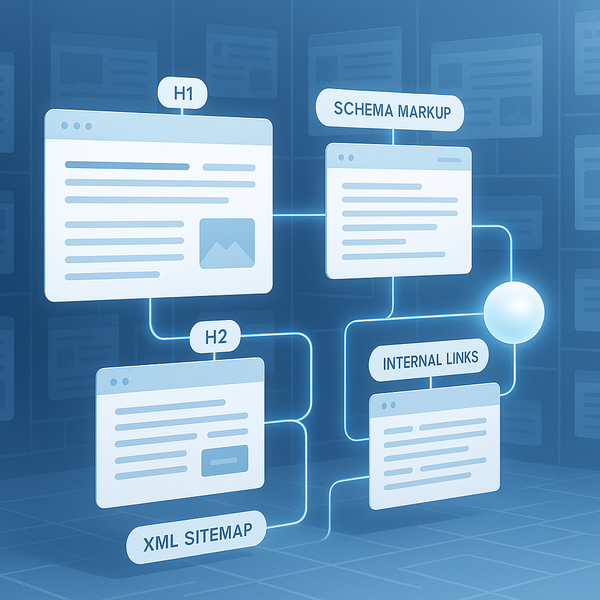
Gemini parses structure. Headers, subheaders, bullet points, and semantic HTML all contribute to clarity.
Clean formatting does three critical things:
- Improves comprehension.
- Signals topical organization.
- Enhances extractability for AI summaries.
If a page lacks clear structure, it’s like handing someone a map with no labels. Confusing. Frustrating. Easy to ignore.
7. Failing to Optimize for Conversational Queries
AI-powered search thrives on natural language questions. Users aren’t typing fragmented keywords anymore. They’re asking full questions.
Instead of:
"Gemini optimization tips"
They search:
"How do I improve visibility in Gemini AI search results?"
Content should mirror that conversational flow. Include clear Q&A sections. Use subheadings that resemble real queries. Provide concise, direct answers before expanding.
Sounds simple, right? Yet many pages still read like outdated keyword lists.
8. Neglecting Technical Foundations
Let’s be blunt - technical health still matters.
Fast load times. Mobile responsiveness. Structured data. Clean internal linking. Secure protocols.
Without these, even brilliant content struggles to surface.
Gemini evaluates accessibility and crawl efficiency. If pages load slowly or contain broken architecture, they become harder to interpret. Think of it as trying to read a book where half the pages are stuck together.
Services like rapidwombat.com help businesses align technical performance with AI search readiness. Because strategy without infrastructure rarely succeeds.
9. Chasing Trends Without Building Core Authority
Another common mistake? Jumping from trend to trend.
One week it’s AI tools. The next week it’s blockchain. Then it’s productivity hacks. There’s no thematic cohesion.
Gemini favors topical depth. It rewards sites that demonstrate consistent expertise within defined areas.
Imagine a library where every shelf contains random subjects thrown together. It would be chaotic. Hard to navigate. Untrustworthy.
Now picture a focused research center with clearly organized departments. Which one feels credible?
Exactly.
10. Measuring the Wrong Metrics
Traffic alone doesn’t tell the story anymore.
Gemini search optimization should focus on:
- Engagement depth.
- Time on page.
- Content interaction signals.
- Entity growth.
- Topical authority expansion.
High impressions with low engagement can signal weak alignment. Meanwhile, fewer visits with strong interaction often indicate better intent matching.
Quality over vanity metrics. Every time.
How to Fix These Mistakes - A Smarter Approach
So what actually works?
1. Build Around Intent Clusters
Create interconnected pages that address primary topics and their supporting questions. Develop semantic relationships intentionally.
2. Prioritize Clarity Over Complexity
Clear language wins. Overly technical explanations can dilute accessibility.
3. Strengthen Entity Signals
Consistent branding. Author credibility. Structured data. Cross-platform recognition.
4. Optimize for Extraction
Gemini often summarizes. Provide concise definitions, bullet lists, and structured answers that are easy to interpret.
5. Invest in Technical Excellence
Speed and architecture still form the foundation. Without them, even outstanding content can stall.
Why Gemini Search Optimization Is Different
Here’s the bigger picture.
Traditional search rewarded pages that matched keywords efficiently. Gemini rewards pages that understand topics holistically.
It’s less about matching strings of text and more about mapping meaning.
That shift changes everything.
Businesses that adapt early will build durable authority. Those clinging to outdated tactics will slowly lose visibility, wondering why impressions decline despite "doing SEO."
Adaptation isn’t optional. It’s strategic survival.
Final Thoughts on Avoiding These Pitfalls
Gemini search optimization isn’t mysterious. It’s just different.
It demands depth. Structure. Technical strength. Human tone. Clear intent alignment.
Fixing these ten mistakes doesn’t require gimmicks. It requires discipline and thoughtful execution.
And honestly? That’s good news.
Because when visibility depends on genuine expertise rather than shortcuts, the playing field shifts toward those willing to build something real.
The question isn’t whether AI-driven search will dominate.
It already is.
The real question is whether your strategy is ready for it.